 Now Serving Canada
Why Aging Infrastructure Is a Growing Fall Hazard in Water Treatment Facilities
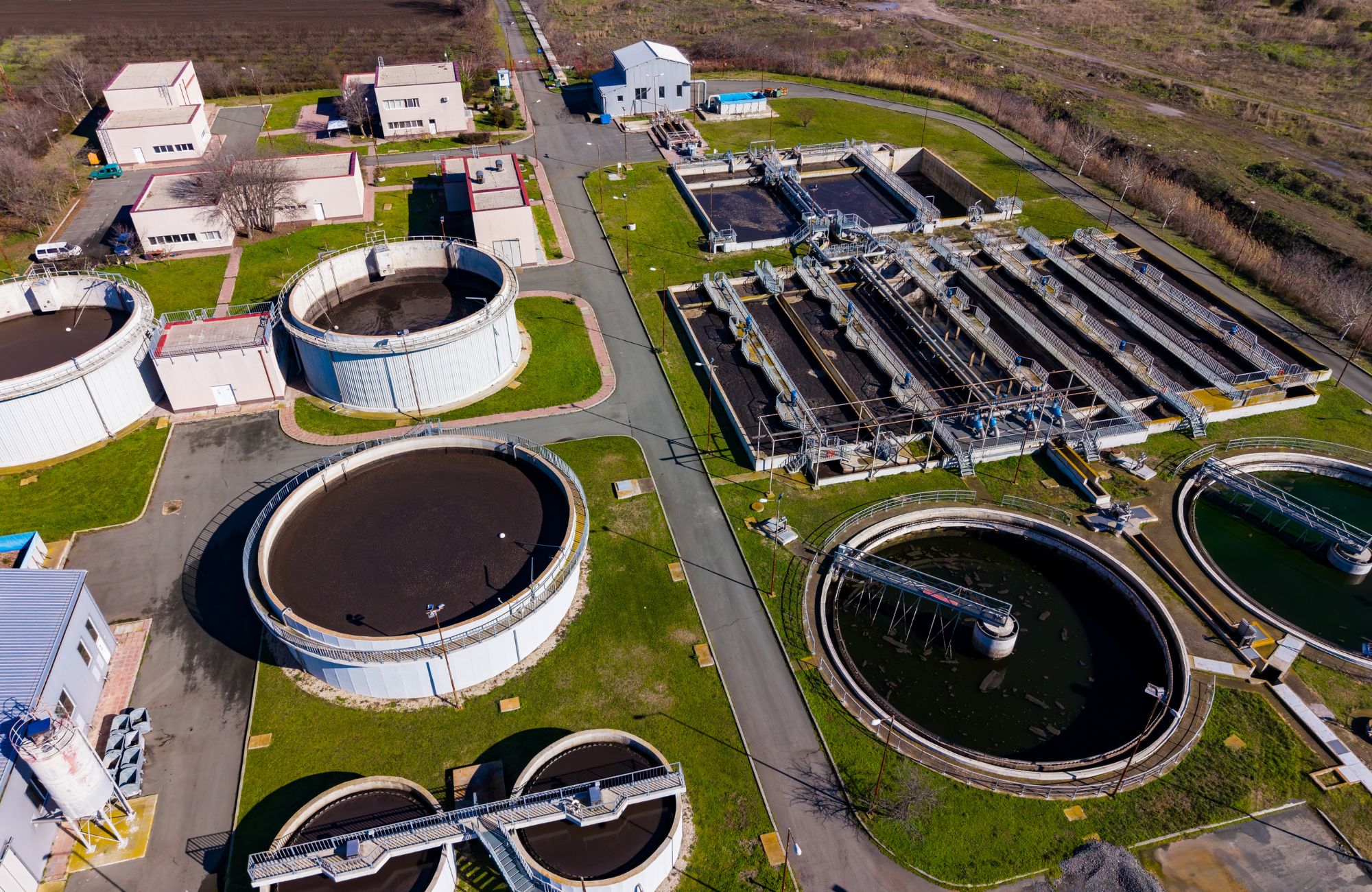
Water treatment facilities don’t get rebuilt often. Many are still operating platforms, ladders, and access systems installed decades ago. Repairs, modifications, and expansions likely happened over time, but not always with modern fall protection in mind. From the ground, everything may look fine. But once you’re on the platforms, walking catwalks, or accessing tanks, gaps become more obvious. Corrosion. Worn connections. Inconsistent guardrails. Ladders that don’t meet current standards. The risk isn’t always dramatic. It’s gradual, and it builds with repetition.
Key takeaways
- Aging infrastructure introduces fall risk that isn’t always visible during day-to-day operations.
- Many platforms, ladders, and rail systems no longer meet current OSHA requirements.
- Repeated access to elevated areas increases exposure over time.
- Fall protection systems can be retrofitted without major disruption.
- Proactive assessments help identify risks before they become incidents.
The Risk Isn’t Just Age; it’s How the Facility is Used
Most older facilities weren’t designed for the way they’re being used.
Equipment was added or updated. Access paths were changed. Facility maintenance may be more frequent. And crews are moving through elevated areas more often.
That’s where risk exposure increases.
We see these common issues:
- Guardrails that weakened over time or don’t meet current OSHA guardrail requirements
- Fixed ladders that lack proper fall protection or no longer meet OSHA standards
- Uneven or deteriorating walking surfaces on platforms and catwalks
- Areas over water where fall protection is limited or missing entirely
OSHA requirements for working over water are clear: when employees are exposed to fall hazards over open water or dangerous equipment, protection must be in place to prevent serious injury or drowning.
The challenge is that existing systems at many facilities weren’t designed to meet current requirements.
Where Facilities Start to Break Down
The biggest issue isn’t always one major failure, it’s inconsistency.
We often see one area that’s upgraded while another is left unchanged. A compliant ladder next to one that isn’t. Guardrails around one platform, but not the next. This inconsistency creates confusion.
Crews don’t always know where protection exists and where it doesn’t. Contractors rely on judgment instead of standardized systems. And routine access starts to feel “safe” simply because it’s familiar. That’s when incidents happen.
Updating Infrastructure Without Rebuilding Everything
Upgrading fall protection doesn’t mean tearing out existing infrastructure.
Most facilities can improve safety by retrofitting key areas where risk exposure is highest.
That typically includes:
- Replacing or reinforcing outdated guardrails with industrial safety railing systems that meet OSHA requirements
- Upgrading ladder systems to align with current fixed ladder OSHA requirements
- Installing modern fall protection systems in areas where passive protection isn’t feasible
- Standardizing protection across high-traffic maintenance zones
Permanent rail systems are often the most effective starting point. They provide passive protection that doesn’t rely on user behavior and can be integrated into existing platforms with minimal disruption.
Why Risk Assessments Matter More Than Ever
Before making any upgrades, facilities need a clear understanding of where risk actually exists.
A proper assessment looks at:
- Current compliance with OSHA requirements when working over water
- The condition of ladders, platforms, and rail systems
- How frequently are different areas accessed
- Where exposure is repeated, not just where it’s obvious
In many cases, the highest-risk areas aren’t the most visible, but they are your highest traffic areas.
What Facility Leaders Should Do About Aging Infrastructure
While aging infrastructure is a persistent problem, the risk that comes with it can be effectively managed.
Start by walking the facility the same way your crews do:
- Look at how they access elevated areas.
- Pay attention to where they step, climb, and transition.
- Identify where protection is consistent, and where it isn’t.
Fall protection shouldn’t depend on memory or experience. It should be engineered into the environment.
Facilities taking proactive steps can reduce exposure, improve compliance, and create safer conditions across every shift.
FAQs on Aging Infrastructure in Wastewater Facilities
1. What are the OSHA requirements when working over water?
OSHA mandates that employees working at heights over water or other hazardous surfaces use appropriate fall protection, such as guardrails, safety nets, or personal fall arrest systems.
2. How do industrial safety railing upgrades help with aging infrastructure?
Modern industrial safety railing can retrofit existing platforms, reinforcing weak points and meet OSHA guardrail requirements, without full platform replacement.
3. What should be considered for fixed ladder OSHA requirements?
Fixed ladders must meet current OSHA criteria for spacing, fall protection, and structural integrity. Older ladders may require cages, ladder safety devices, or full replacement to comply.
4. How often should fall protection systems be inspected?
OSHA recommends routine inspections at least annually or after any event that could compromise structural integrity. High-traffic areas or water-exposed platforms may require more frequent checks.
5. Can modular fall protection systems be integrated without disrupting operations?
Yes. Many modern systems are designed for easy installation, allowing retrofits on platforms, walkways, and ladders with minimal downtime.