 Now Serving Canada
Fall Hazards and Safety Solutions in Aviation and Aerospace
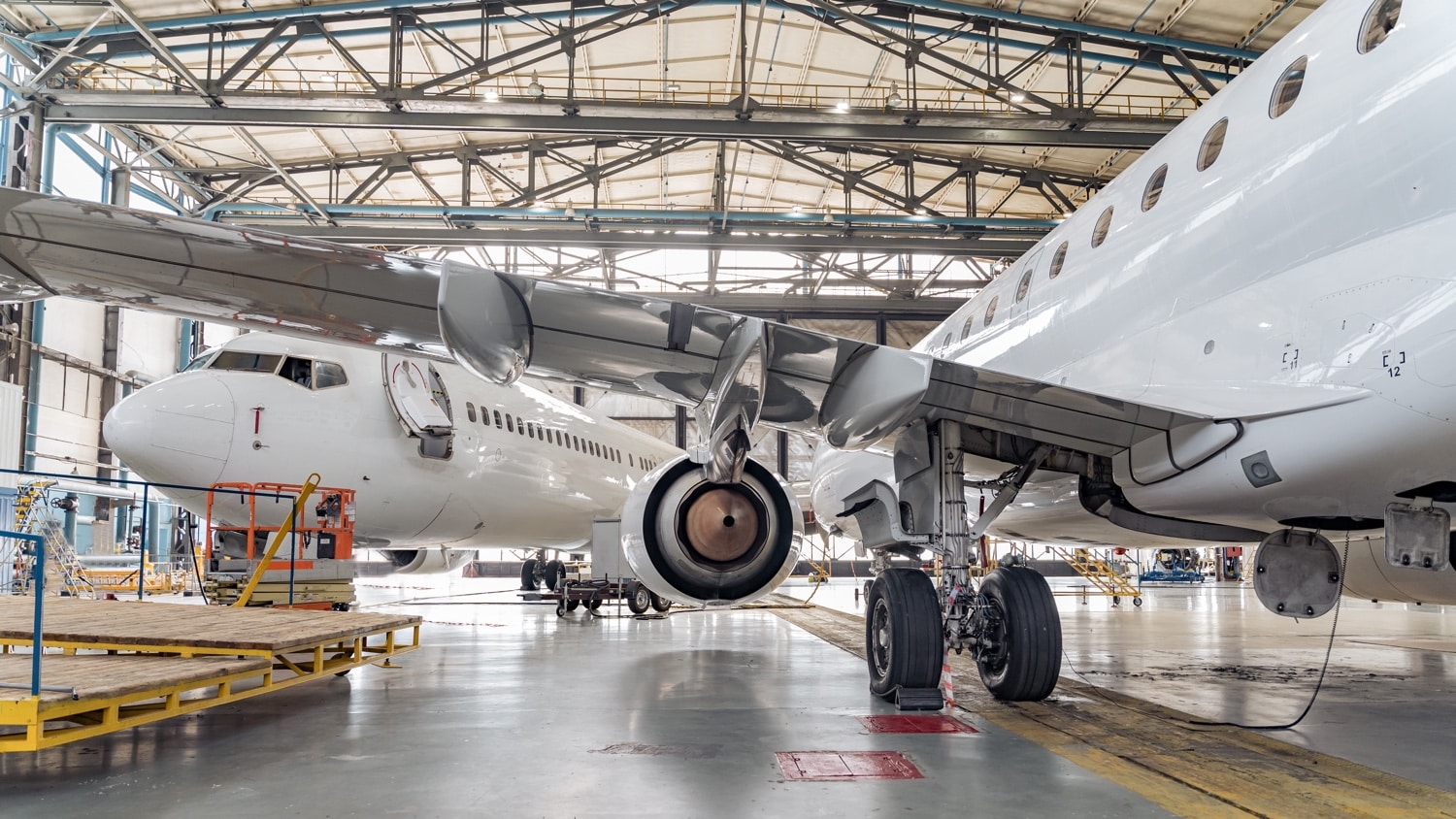
When it comes to workplace safety, few environments present as many unique challenges as the aerospace and airline industries. Technicians, mechanics, and maintenance workers frequently perform tasks at significant heights, often on irregular and slippery surfaces like aircraft wings, fuselages, or inside expansive hangars. Without the right precautions, a simple misstep can lead to serious injury.
The Importance of Height Safety in Aviation
Working on or around aircraft requires careful consideration of fall risks. Aircraft surfaces are curved, polished, and sometimes angled, making them hazardous to navigate. Add to this the need to work at varying heights — sometimes indoors in hangars, other times outdoors on tarmacs. Making sure workers are safe both at heights and in various weather conditions is important.
Beyond employee welfare, there is also the matter of protecting high-value aircraft assets. Fall protection equipment must not only safeguard workers but also prevent damage to intricate aircraft surfaces. In the airline industry specifically, efficiency is crucial. Even minor delays caused by accidents or equipment damage can disrupt tightly coordinated flight schedules, impacting not just the airline’s operations but passengers and connected services as well.
Heightened public scrutiny and strict operational deadlines mean that any workplace incident can quickly escalate into operational and reputational challenges for an airline. Implementing robust fall protection systems is a proactive business strategy that helps with efficiency, continuity, safety, and public trust.
Regulatory Requirements
While there isn’t a single comprehensive aerospace-specific fall protection regulation, there are detailed federal programs that set rigorous standards for aviation environments. Notably, the Federal Aviation Administration (FAA) has established the Flight Standards Service Fall Protection Program (FPP) to protect employees working in aviation.
This FAA-specific program aligns with broader OSHA regulations and industry best practices, mandating fall protection whenever employees are exposed to falls from elevations greater than four feet. Local field offices may enhance protections to address specific workplace conditions, but they cannot weaken them.
Below are key regulatory standards and programs that apply:
- OSHA General Industry Standards require fall protection for heights of four feet or more, covering working surfaces like platforms, walkways, and ladders.\
- OSHA Construction Standardsapply during construction, extensive repairs, or structural modifications, requiring fall protection at six feet or more.\
- The FAA Flight Standards Fall Protection Program mandates the use of personal fall protection systems, hazard assessments, annual program evaluations, and emphasizes rescue plans with response times under 30 minutes.\
- ANSI/ASSP Z359 Standards set comprehensive testing and performance standards for fall protection systems, including personal fall arrest systems, anchorage, and lifelines.
Employers must ensure compliance with these standards to safeguard personnel effectively.
Common Safety Solutions for Aircraft Maintenance
Given the complexities of aircraft surfaces and work environments, the aerospace and airline industries use a variety of fall protection solutions tailored to the specific risks involved.
Overhead Rigid Rail Systems
Installed in hangars, these systems allow workers to move freely while securely connected to a fixed overhead track. They provide consistent fall arrest protection with minimal swing hazards, essential when navigating the smooth and curved surfaces of aircraft.
Portable Fall Arrest Systems
Ideal for tarmac work and locations without permanent structures, these mobile systems bring anchorage points directly to the aircraft. Their portability helps keep workers protected even at remote or temporary worksites.
Engineered Lifeline Systems
Custom-designed horizontal and vertical lifelines accommodate the unique shapes and sizes of different aircraft, offering continuous fall protection across complex work areas.
Guardrails
While less common due to the flexible nature of aircraft work, guardrails provide effective passive fall protection during extended maintenance periods.
Unique Fall Hazards and Challenges in Aviation Work
According to the FAA, aviation maintenance and operations personnel encounter several distinct fall hazards, including:
- Working on wing and tail surfaces.
- Traversing the fuselage crown.
- Using aerial lift devices during servicing and maintenance.
- Navigating open aircraft service doors and bays.
- Working on or around floor holes, unsecured temporary flooring, and improperly erected scaffolding.
- Accessing aircraft interiors via bridge or dock plates.
Beyond the physical hazards, the aerospace and airline industries face additional operational challenges:
- Aircraft Sensitivity: Equipment must be non-marring and lightweight to prevent damage to high-value aircraft surfaces.
- Changing Work Areas: Different aircraft sizes, models, and configurations require flexible and adaptable fall protection solutions.
- Environmental Exposure: Outdoor work can expose personnel to weather risks like rain, wind, and ice, heightening fall dangers.
- Confined Spaces: Maintenance often takes place in cramped, complex areas inside aircraft, requiring specially adapted fall protection methods.
- Dynamic Workforces: High turnover rates and rotating crews mean that consistent, ongoing fall protection training is critical.
Recognizing and addressing both physical hazards and operational challenges is essential for implementing an effective, targeted fall protection program in aviation environments.
Best Practices for Effective Protection
To create a truly safe work environment, organizations in aerospace and airlines should adopt the following best practices, many of which are emphasized in the FPP:
- Conduct detailed hazard assessments for each maintenance activity.\
- Implement the hierarchy of controls: prioritize elimination of fall hazards, then engineering controls (like guardrails), and use PPE (such as personal fall arrest systems) only when other methods aren’t feasible.\
- Use only industry-compliant, aircraft-safe fall protection equipment that meets or exceeds OSHA and ANSI standards.\
- Train employees thoroughly before they use fall protection equipment — only FAA-provided or FAA-approved training qualifies under federal guidelines.\
- Maintain and inspect fall protection equipment regularly. Perform inspections before each use and annually document equipment evaluations.\
- Develop and rehearse comprehensive rescue plans so that fall victims can be rescued within 30 minutes to prevent suspension trauma.\
- Perform annual evaluations of the fall protection program to maintain its effectiveness and make improvements as needed.\
- Foster a culture of safety where all employees are encouraged to report hazards without fear of negative consequences.\
In the aerospace and airline industries, protecting workers from fall hazards is a vital part of maintaining operational integrity, efficiency, and safeguarding lives. Through careful planning, specialized equipment, compliance with FAA and OSHA standards, and a strong culture of safety, organizations can keep their teams safe and secure no matter where the job takes them.
Implementing effective fall protection strategies also contributes to minimized operational disruptions and enhanced reputation within a highly competitive and public-facing industry. By prioritizing worker safety, aerospace and airline organizations are investing in their most critical asset: their people.
If you’re interested in exploring custom-engineered solutions for your facility or aircraft maintenance operations, EDGE Fall Protection is here to help with expert guidance and specialized systems tailored to the unique challenges of your industry.