 Now Serving Canada
OSHA Hurricane Preparedness Plan for Worker Safety and Building Stability
When it comes to protecting your team and securing job sites during hurricane season, having a clear OSHA hurricane preparedness plan for worker safety is non-negotiable.
For construction sites in high-risk areas, that means going beyond general safety procedures to proactively address how storms impact building stability and the fall protection systems your workers rely on.
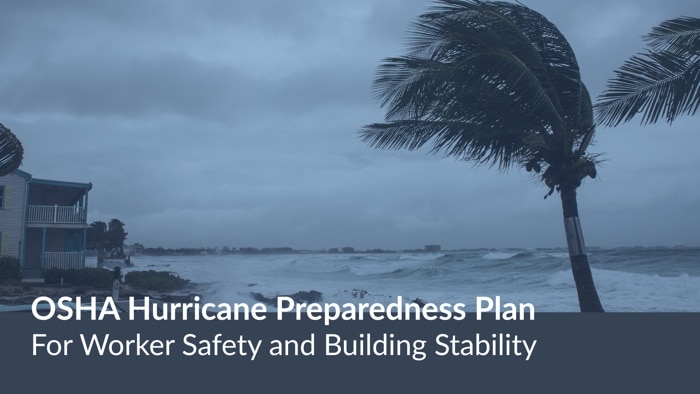
Let’s break down how hurricane preparedness for businesses in the construction industry can prioritize both worker protection and structural integrity.
Why a Construction Site Requires a Specialized Hurricane Safety Program
Construction sites are uniquely vulnerable to hurricane threats. Temporary structures, scaffolding, open frameworks, and elevated platforms are all at risk of collapse or becoming airborne hazards.
When combined with the risk of high winds, accompanying tornado threats, flying debris, water, storm surge, and unstable surfaces, the potential for serious injuries or even fatalities increase dramatically.
OSHA hurricane preparedness guidance makes it clear: As an employer, you have a responsibility to evaluate storm risks and adapt your hurricane safety program accordingly.
Building a Hurricane Preparedness Checklist for Businesses in Construction
Creating an effective OSHA hurricane preparedness plan for worker safety starts with five essential components:
1. Emergency Hurricane Action Plan
Per OSHA standards, businesses must have a written hurricane emergency plan that includes:
- Evacuation procedures and escape routes
- Designated personnel for emergency roles
- Methods for accounting for all employees
- Communication protocols
2. Job Hazard Analysis for Hurricane Exposure
Conduct pre-storm job hazard analyses that account for high-wind scenarios, electrical hazards, and fall exposures. Evaluate structures like freestanding or permanent guardrails, horizontal lifelines, and anchor points to ensure they can withstand extreme weather.
Don’t wait until it’s too late—have your anchor points professionally inspected before hurricane season begins. These critical components can fail under high winds if not properly installed or maintained. Read our blog on anchor point testing to learn how the experts verify strength, compliance, and storm-readiness.
3. Pre-Storm Site Securing Procedures
Assign a team responsible for:
- Removing or tying down loose tools, materials, and mobile equipment
- Dismantling temporary fall protection systems when necessary
- Covering floor openings and edges to prevent water damage or trip hazards
- Bracing or removing scaffolding where collapse is possible
4. Worker Communication and Training
All workers must be trained on your hurricane safety program, including:
- Warning terms: Watch vs. Warning
- What to do at each alert stage (72, 48, 24, and 12 hours out)
- When and how to evacuate the site safely
5. Post-Storm Hurricane Re-Entry and Assessment
After the hurricane passes:
- Conduct a site-wide hazard inspection before allowing workers to re-enter
- Evaluate all structural elements, especially safety and fall protection equipment
- Ensure surfaces are dry and stable before resuming elevated work
- Document all damage for insurance and OSHA compliance
Use the checklist below as a business hurricane preparedness plan template:
- Review and update your Emergency Action Plan
- Conduct job hazard analysis for storm-specific risks
- Assign hurricane response roles to employees
- Confirm evacuation routes and communication methods
- Tie down or remove loose tools, materials, and mobile equipment
- Cover floor openings and guard exposed edges
- Brace or dismantle scaffolding and temporary structures
- Shut down power and utilities as needed
Understanding Your Employer Responsibilities in Hurricane Safety
Employers must evaluate each jobsite for hurricane safety and procedures for site-specific hazards. According to OSHA hurricane preparedness guidelines, employer responsibilities in hurricane safety include:
- Protecting workers from known hazards (wind, flooding, collapse)
- Providing appropriate PPE and fall protection
- Verifying structural stability before re-entry
- Keeping accurate training and inspection records
How Does a Hurricane Affect Safety Equipment?
What happens to non-penetrating guardrails, anchors, and lifelines during a hurricane?
These systems are not designed to be used in hurricane-force winds. OSHA recommends dismantling or securely bracing them before storm impact.
Should scaffolding be removed before a hurricane?
Yes. Remove scaffolding, especially incomplete or temporary setups, to prevent collapse or wind damage.
Can fall protection systems be reused after a hurricane?
Only if they are fully inspected and tested. Never reuse equipment exposed to storm conditions without a qualified safety assessment.
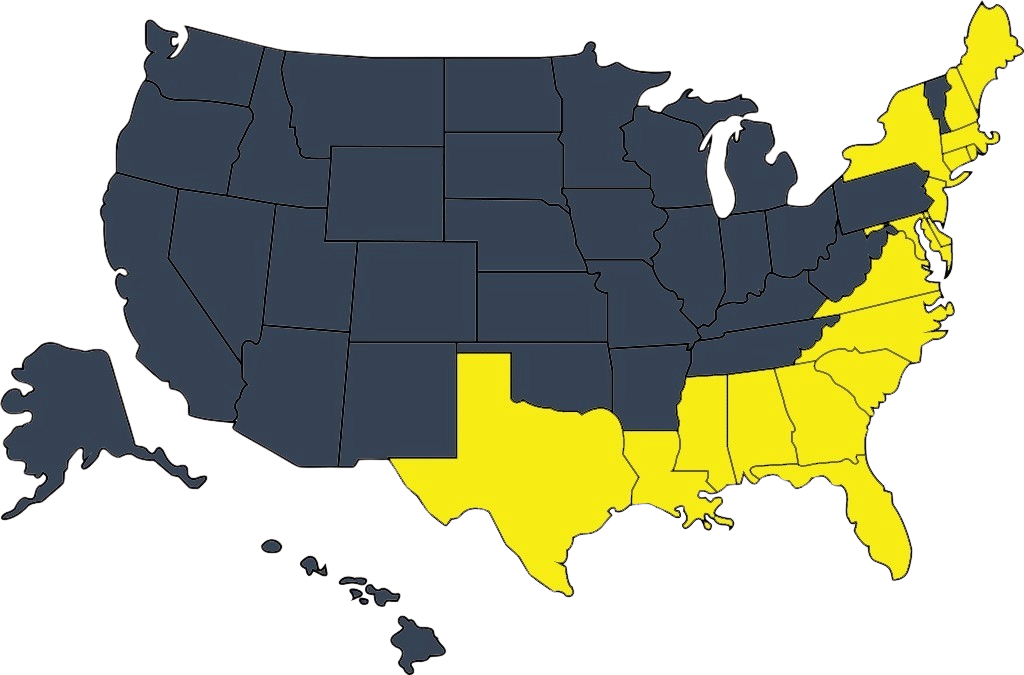
Map of U.S. Hurricane Risk Zones
Why a Strong Hurricane Safety Program Matters in Construction
A strong hurricane emergency plan protects your team, your project timelines, and your company’s legal and ethical obligations. This especially goes for businesses and sites located in hurricane risk zones, but for others as well.
By aligning your safety practices with OSHA standards and taking extra precautions for fall protection systems, you can keep your construction sites as safe and stable as possible before, during, and after a hurricane.
FAQs on OSHA approved Hurricane Preparedness Plan for Businesses
What is the preparedness plan for a hurricane?
A written plan with evacuation routes, emergency roles, communication steps, hazard checks, site securing, worker training, and post-storm inspections.
What is the OSHA emergency preparedness plan?
OSHA’s Emergency Action Plan (EAP) outlines evacuation, hazard evaluation, assigned roles, communication, and safe re-entry steps for emergencies like hurricanes.
What are 5 key things to do to prepare and be safe during a hurricane?
- Update your Emergency Action Plan.
- Assess storm-specific hazards.
- Secure or remove loose items and scaffolding.
- Train workers on alerts and evacuation.
- Inspect structures and equipment after the storm.
Want more guidance on how to secure your fall protection systems during hurricane season? Contact us at 844-314-1374 or EDGE Fall Protection today to talk with a safety equipment or compliance expert.
Want insight on protecting workers in other severe weather conditions? See these articles on heat safety and tornado preparedness.