 Now Serving Canada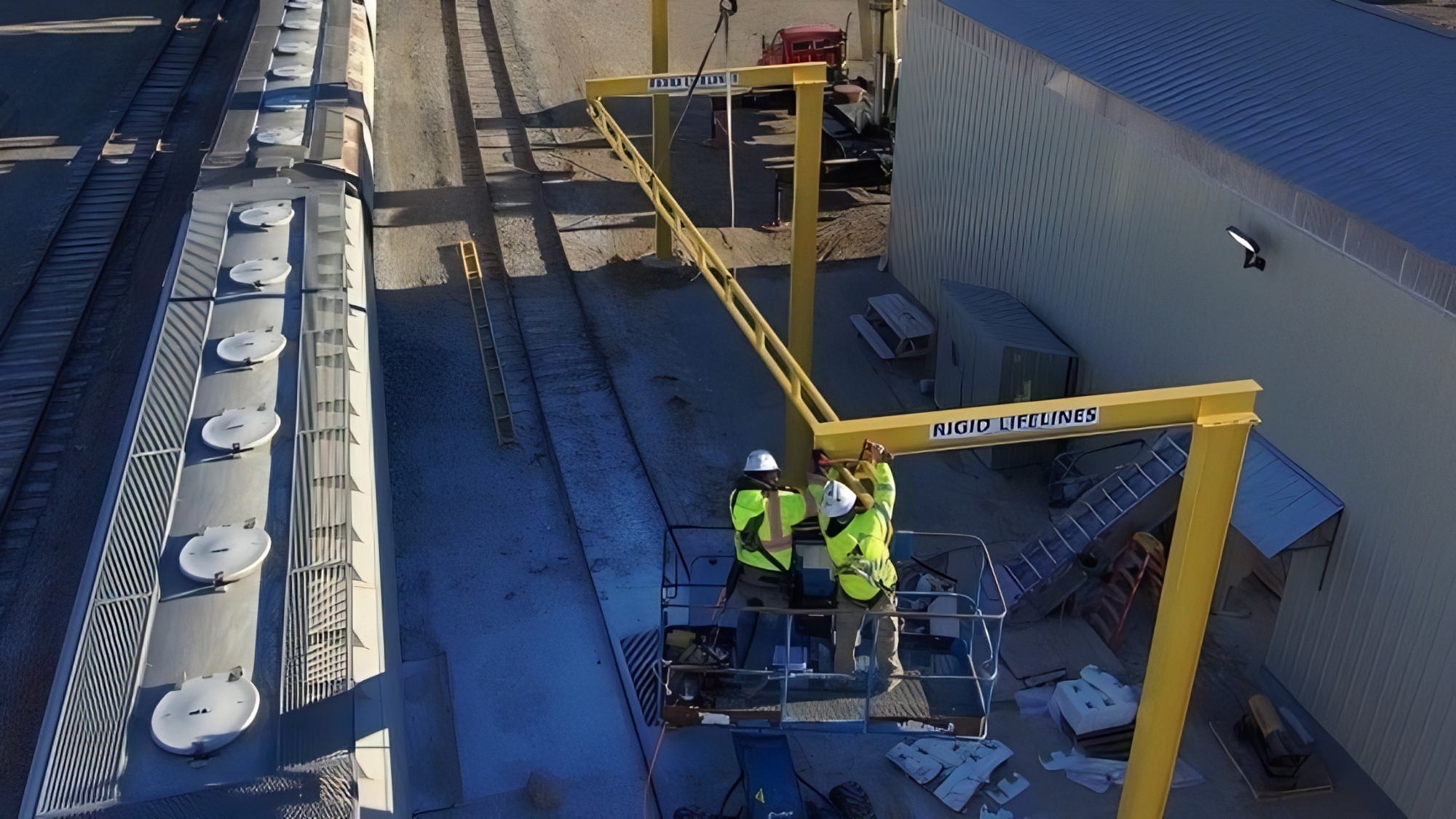
EDGE is the “Go-To” Company for Fall Protection Inspection, Installation, Testing, & Certification Services
Our Complete Line of Fall Protection Services
If you’re responsible for rooftop safety, you know compliance isn’t optional. At EDGE Fall Protection, our inspection department helps facility managers, EHS professionals, and building owners stay OSHA compliant, reduce liability, and ensure every safety system works as intended.
EDGE is a leading provider of safety equipment to customers across the entire US, and we also offer OSHA and ANSI-compliant inspections, certified pull testing, and detailed safety documentation for your peace of mind. Explore the resources below for details on our fall protection testing, certification, inspection, and installation services.
Request a Service Quote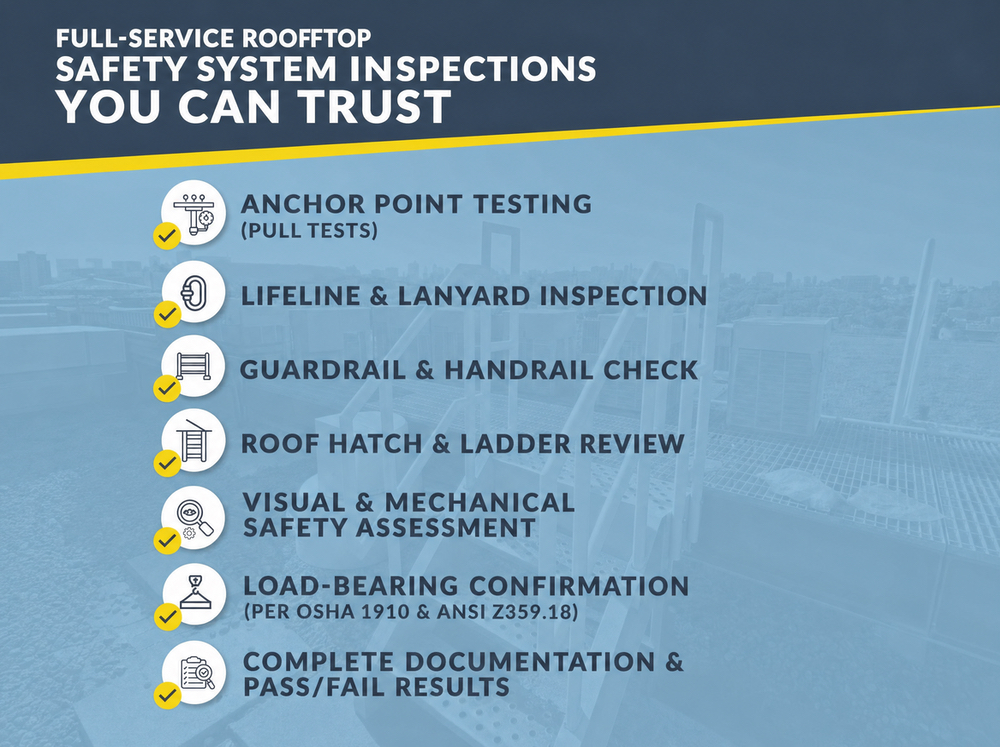
Nationwide OSHA Compliant Fall Protection
“Purchased multiple stairs, ladders, and misc. railing products and it exceeded my expectations, installation was straightforward, and the fit was precise. Would definitely recommend to anyone in the market for these products. Shaefer was most helpful and was very responsive during the whole process.”— Verified Google Review
Inspection & Testing Services
At EDGE, we understand the critical nature of performing a comprehensive fall protection system inspection for your facility. Our inspection services cover full-scale fall protection system inspection, including anchor points, lifelines, guardrails, roof hatches, and more.
With an experienced team of qualified professionals, we deliver full-scope fall arrest system inspections and OSHA fall protection inspections to ensure your systems are working as intended, meet regulatory standards, and that your team is protected.
We help you comply with OSHA 1910.28 and the relevant ANSI standards, make sure your fall protection system inspection is done thoroughly, and deliver a detailed report with recommendations for corrective action. You gain confidence that your fall protection inspection will leave nothing unchecked and no weak links behind.
Fall Protection Testing
We provide in-depth fall protection testing to verify that your systems perform exactly as required. Our testing services cover inspections of entire fall protection assemblies, equipment, and components to validate strength, integrity, and compliance. Every test produces documentation that supports regulatory requirements and protects the safety of workers at heights.
Anchor Certification & Pull Testing
Our anchor certification and anchor pull testing service focuses on evaluating anchorage points to confirm they remain safe for attachment of lifelines, lanyards, or fall arrest systems.
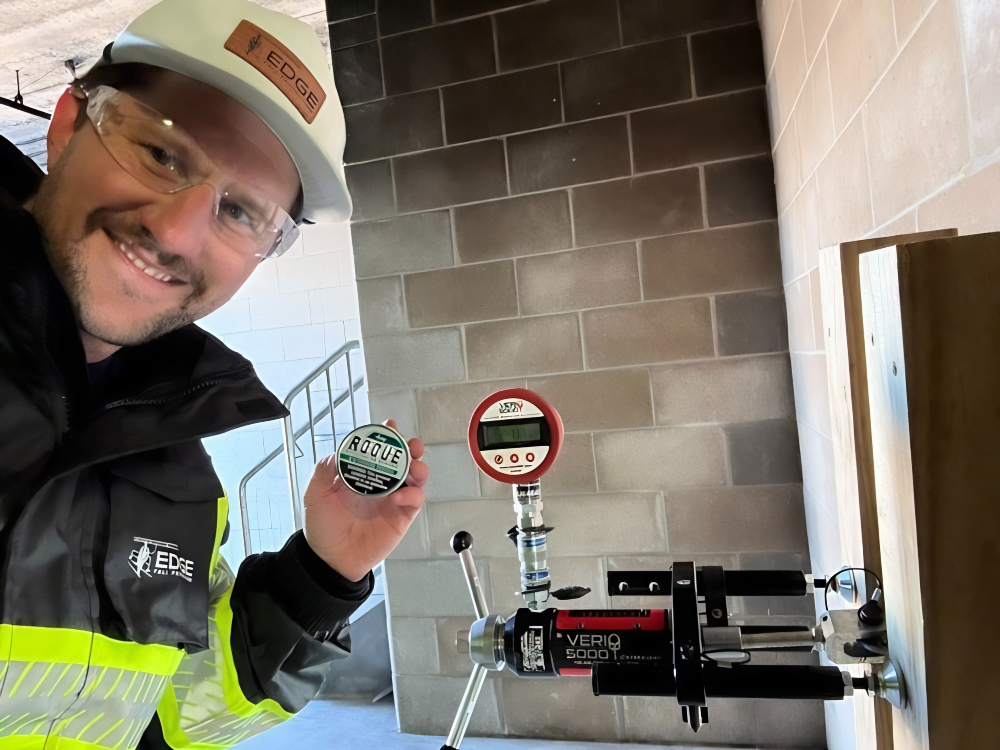
We perform visual inspections for wear or damage, followed by load-testing methods such as proof testing and pull (strength) testing to verify the anchor holds the required loads. You receive a full certification report confirming that your anchors meet design specifications and documented OSHA compliance standards.
Site Visit & Risk Assessment
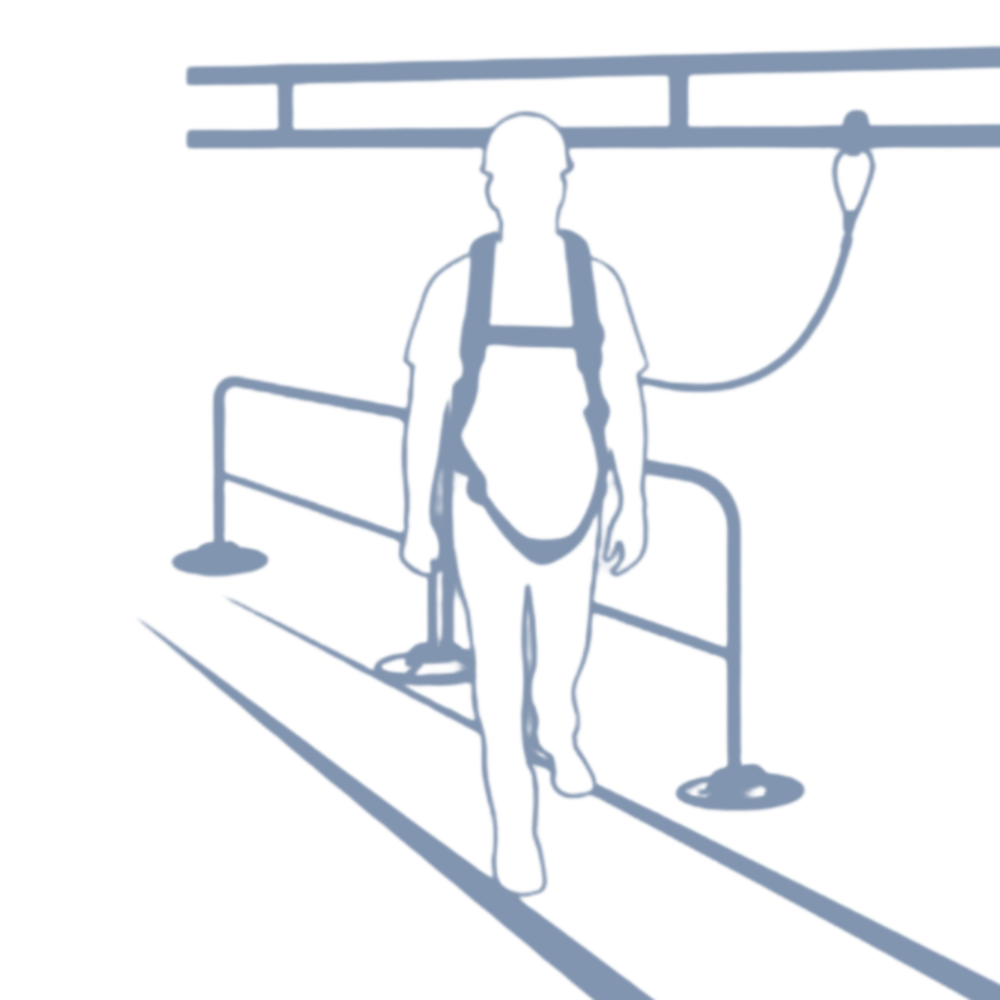
As part of our detailed site visit and risk assessment, we provide expert guidance on fall protection solutions for manufacturers, employees, and end users so your facility reaches full compliance from edge to edge. We help identify custom solutions tailored to your specific needs.
We assess all rooftop access points, openings, unprotected edges, and navigation paths to identify hazards and gaps in your existing system, then hand you a clear picture of what needs to change and in what order.
Turnkey Installation
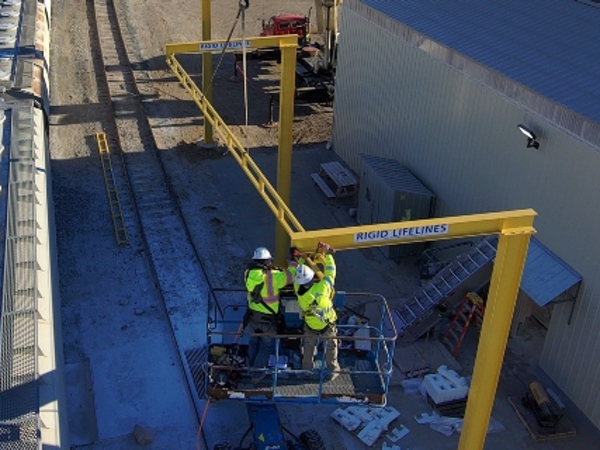
Our experienced team delivers professional installation of complete fall protection systems for rooftops, industrial facilities, and elevated work areas. A turnkey project from EDGE includes:
- Material procurement and logistics
- Rental equipment
- Installation and system testing verification
- Daily clean-up
- Full final documentation package
- Post-project support
We handle every detail of the fall protection installation process so your safety equipment performs exactly as intended. That includes proper placement of guardrails, lifelines, access points, and other engineered systems so they integrate cleanly with your building and support full OSHA and ANSI compliance.
Our installers follow precise specifications, coordinate closely with your facilities team, and confirm that each component is secure, aligned, and ready for safe use. The result is a streamlined, turnkey experience for facility managers who need reliability, clarity, and confidence that their fall protection system was installed correctly from day one.
“The crew of young men that were sent out were nothing but professional, and adhered to all safety and site rules. The install had no hiccups and we will happily use them again.”— Verified Google Review
What Are OSHA’s Fall Protection & Inspection Safety Requirements?
OSHA’s fall protection and inspection requirements outline the minimum standards every facility must follow to protect workers at height and keep all safety systems in proper working condition.
Our team is available to guide you through your specific situation, but we have highlighted some of the key requirements below for educational purposes.
OSHA Requires Annual Fall Protection & Fall Arrest Inspection
OSHA requires that fall protection equipment — including harnesses, lanyards, self-retracting lifelines, and anchorage systems — be inspected at least once every year by a competent person. This annual fall protection inspection confirms the equipment remains safe, structurally sound, and free from damage, wear, or defects that could lead to failure during use.
Annual inspections also surface issues such as cuts, broken stitching, deformation, corrosion, or malfunctioning safety components. Employers must document these fall protection inspections and remove any equipment from service if it does not meet OSHA safety standards.
OSHA Anchor Pull Testing Required Every 5 Years
OSHA requires that all certified anchorage points and fall protection systems undergo anchor pull testing at least once every five years to confirm they can safely withstand the forces generated during a fall. Pull testing verifies the structural integrity of anchors, lifeline systems, and related hardware, helping employers maintain compliance and protect workers from equipment failure.
Regular anchor pull testing identifies wear, corrosion, improper installation, or structural degradation before those issues become hazards. Alongside the five-year test, employers must also perform routine fall arrest inspections and maintain documentation proving compliance.
OSHA Roof Inspection Requirements
OSHA does not specifically mandate an “annual roof inspection” for all facilities. However, OSHA regulations do require employers to maintain safe working conditions on roofs and to regularly inspect any area where workers are exposed to fall hazards or structural risks.
Inspection Case Study
During a recent project for a major food and beverage manufacturer in the Phoenix area, the EDGE Fall Protection team was tasked with inspecting several overhead fall protection systems that had not been evaluated in years because of difficult access points.
Once our certified technicians conducted close-up assessments, we found multiple areas of concern: frayed cables, deployed energy absorbers, corroded anchors, loose hardware, and torque values outside specification. Each issue represented a potential failure point that could compromise the integrity and safety of the entire system.
Our fall protection inspection process makes sure these systems get the attention they need, paired with approved solutions. We specialize in identifying wear, corrosion, or damage that is not visible from the ground, helping our clients maintain compliance and protect their people.
Our Happy Clients
We are grateful for the wonderful testimonials from our happy and beloved clients. From local businesses owners to Fortune 500 executives. You all have helped make us a force in the workplace fall protection industry!
Safety Inspection FAQ
At EDGE Fall Protection, safety and compliance sit at the core of everything we do. Below are answers to the questions we hear most often about annual inspections and 5-year pull testing — what is required, why it matters, and how our certified technicians keep your systems performing year after year.
OSHA requires that all fall protection and safety equipment — anchor points, harnesses, lifelines, and lanyards — be inspected at least once every 12 months by a qualified and competent person. The inspection confirms that equipment remains in safe working condition and compliant with current OSHA and ANSI standards.
A 5-year pull test (also known as load testing) verifies that anchor points and structural safety components can withstand the required load forces. This test is typically performed every five years to confirm that anchors maintain their strength and integrity over time.
Regular inspections and testing:
- Help identify wear, corrosion, or damage before failure occurs.
- Ensure OSHA and ANSI compliance.
- Protect workers from potential injury or fatal falls.
- Extend the life of your fall protection system by catching issues early.
OSHA requires inspections and testing to be performed by a qualified person — someone with the training, experience, and certification to identify existing and potential hazards.
The EDGE team of certified technicians follows OSHA, ANSI, and manufacturer guidelines so your equipment meets every safety requirement and your organization stays protected.
- Annually: All fall protection and safety systems must be inspected every 12 months.
- After any incident: Equipment must be inspected immediately after a fall, impact, or event that could compromise its integrity.
- Every 5 years: Anchors and structural points must undergo pull testing to verify load-bearing strength.
If equipment or anchor points fail inspection or testing, they must be removed from service immediately and replaced or repaired before use. Our inspection team provides a detailed report and recommendations to help you stay compliant and safe.
Yes. OSHA requires that inspection and testing records be kept on file and available whenever requested. We supply a complete inspection report with photos, measurements, test results, and certification to confirm compliance and support any safety audit.
Q: “I oversee safety for a retail chain with 60 locations and our insurer is asking for proof of roof fall protection controls. Can you help me plan a roof safety audit and risk assessment program across all sites, prioritize high-risk roofs, and standardize the reports so we can track corrective actions?”
A: To address your insurer’s request for proof of roof fall protection, you can implement a structured program across your 60 retail locations by following this phased approach.
1. Phased Audit & Risk Assessment Plan
For a chain of 60 sites, a “hub-and-spoke” audit model is most efficient, focusing first on high-exposure locations. The five-step assessment:
- Identify hazards: Document unprotected edges, skylights (holes), and access points like hatches or ladders.
- Determine exposure: Identify who accesses the roof (contractors vs. internal staff) and for what tasks.
- Evaluate risk: Use a matrix (severity × likelihood) to score each hazard.
- Record findings: Use a standardized digital tool to keep all 60 reports consistent.
- Review: Schedule annual re-evaluations, or updates after major repairs.
2. Prioritizing High-Risk Roofs
Use these criteria to determine which of your 60 sites need immediate attention:
- Frequency of access: A site where HVAC is serviced monthly is higher priority than one accessed once a year.
- Proximity of equipment to edges: Equipment located within 15 feet of an unprotected edge is a primary OSHA concern.
- Presence of fragile elements: Prioritize roofs with multiple skylights or translucent panels — often-overlooked hazards that cause more accidents than roof edges.
- Building height: Sites with a fall distance greater than 4 feet (General Industry standard) require active or passive protection.
3. Standardized Reporting for Insurers
Standardizing your reports lets you track corrective actions centrally. Each report should cover the “high five” audit points:
- Access points: Are hatches and ladders secured with self-closing gates?
- Unprotected edges: Are guardrails or warning lines present?
- Rooftop openings: Are skylights guarded or covered?
- Equipment proximity: Is there a 15-foot roof edge safety buffer around units?
- PPE and anchors: Are anchor points certified and inspected?
Resources for tools and experts
- Action tracking table: A clear list of recommendations with assigned owners and closed-loop status updates for your insurer.
- Self-audit tools: Standardized digital checklist templates for consistency across all sites.
- Professional audits: EDGE Fall Protection offers site-specific audit services that include budget-ready mitigation plans.
Contact our safety compliance team through the Request Quote form or call (844) 314-1374 to schedule your annual inspection or 5-year pull test. We will review your system history, coordinate access, and make sure everything meets OSHA and ANSI requirements.