 Now Serving Canada
Data Center Fall Protection: 5 Worker Safety Gaps
Data centers are designed for uptime. That means redundancy, backup systems, and constant monitoring. But as these facilities expand and infrastructure gets denser, one safety risk is often underestimated: fall exposure.
Rooftops and service areas in modern data centers are no longer “rare access zones.” They’re active work environments where HVAC units, chillers, cable runs, power systems, and communications equipment require routine maintenance. And when teams are moving quickly, often alongside multiple contractors, small safety gaps can turn into serious hazards. Such safety hazards in a data center environment can range from electric arc flash hazards to accidental falls.
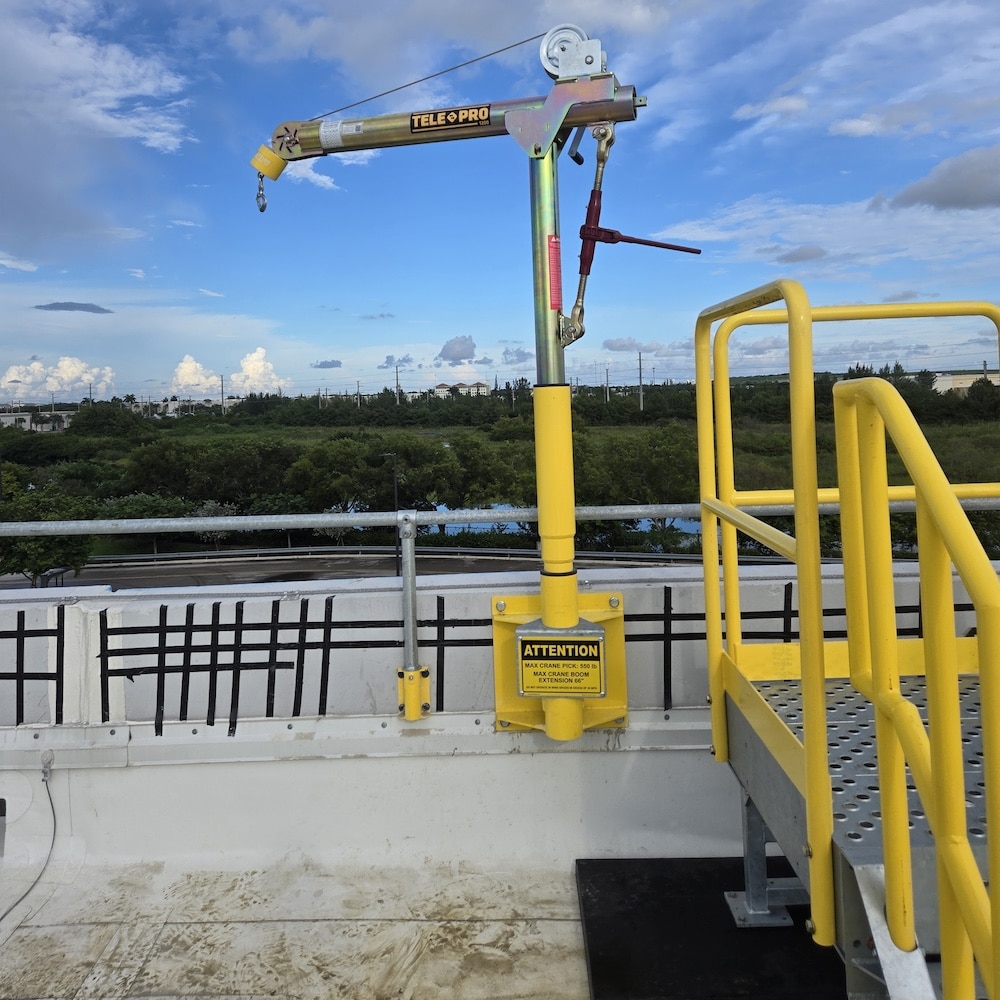
Below are five fall protection gaps commonly found across data center and telecommunications infrastructure sites, along with the practical solutions facility leaders can use to reduce exposure and strengthen compliance.
Key Takeaways
- Data center rooftops are high-traffic work zones, not occasional access areas.
- Unprotected access paths and inconsistent equipment protection create recurring fall exposure.
- Crossovers, ladders, and work platforms are often the missing link in rooftop safety planning.
- Overhead fall protection is critical in loading docks and service areas where elevated work is routine.
- Permanent systems reduce risk across contractors, maintenance crews, and expansion projects.
1. No Safe Route Between Access Points and Rooftop Equipment
One of the most common rooftop hazards is the path workers take to reach equipment.
Many data center rooftops require technicians to walk long distances from hatches, ladders, or access doors to reach chillers, exhaust systems, or telecom infrastructure. Along the way, workers often navigate:
- Uneven surfaces
- Piping and conduit runs
- Elevation changes
- Tight equipment corridors
Without a clearly engineered access route, teams improvise. That can mean stepping over obstructions, walking too close to roof edges, or using temporary measures that don’t provide consistent protection.
Solution: Install permanent access solutions that create a stable, predictable route across rooftop hazards.
This is where work platform solutions like crossovers and metal stairs become critical. They reduce the need for unsafe climbing, stepping, or balancing while moving across complex roof layouts. become critical. They reduce the need for unsafe climbing, stepping, or balancing while moving across complex roof layouts.
2. Rooftop Crossovers Are Missing or Improvised
Crossovers are one of the most overlooked rooftop safety upgrades, especially in facilities that have grown through expansions or phased builds.
In many data centers, rooftop systems are added over time. As a result, piping and mechanical infrastructure often create physical barriers. Workers end up stepping over conduits or climbing equipment to complete inspections and maintenance tasks.
It’s a fall risk that increases fatigue and repetition.
When crossovers aren’t installed, teams may resort to makeshift solutions like portable ladders or temporary platforms, which can introduce instability and create inconsistent work practices across crews.
What to look for:
- Areas where workers regularly step over piping or cable runs
- “Shortcut” paths worn into rooftop traffic patterns
- Frequent contractor access zones without designated platforms
Solution: Install engineered crossover platforms and metal stair systems designed for safe movement and repeat access.
3. Inconsistent Guardrail Coverage Around Rooftop Equipment Zones
Guardrails are a proven safety control, but in many data center environments, guardrail installation is inconsistent.
A common pattern we see is guardrails that are installed only around certain pieces of equipment, often chillers, skylights, or high-risk access points, while other areas remain exposed. Over time, rooftops become a patchwork of protection that are safe in some zones and unprotected in others.
This can create confusion, especially for contractors unfamiliar with the site. If protection isn’t standardized, workers may assume an area is safe simply because nearby equipment has guardrails.
OSHA requires fall protection for workers exposed to fall hazards at specific heights, depending on the type of work being performed and the applicable standard (29 CFR 1910 and 1926).
Inconsistent perimeter protection also increases the chance of gaps being missed during inspections or safety audits.
Solution: Use permanent guardrail systems strategically, especially around equipment service zones where there’s high traffic technician activity.
4. No Overhead Fall Protection in Loading Dock or Service Areas
Fall protection planning often stops at the roof edge. But for many data centers and telecommunications facilities, one of the highest-risk environments is the loading dock and service corridor.
Loading areas are high-traffic zones where maintenance crews may be working at elevation on:
- Overhead doors
- Lighting systems
- Cable and network infrastructure
- Rooftop-adjacent access points
- Structural components above the dock areas
These environments often require elevated work from lifts or ladders, and they’re frequently active while operations continue. That means workers are exposed not only to fall risk, but to rushed conditions and equipment congestion.
**Solution:**Overhead fall protection systems including active restraintsare important in these areas because they allow mobility and continuous protection without blocking workflow.
5. Reliance on Temporary Equipment During Expansion and Retrofit Projects
Data centers expand constantly. Whether it’s adding new cooling capacity, upgrading power infrastructure, or installing telecom equipment, growth introduces construction-like conditions inside an operational facility.
During these periods, fall protection often becomes reactive. Contractors bring in temporary ladders. Work platforms are moved from one location to another. Roof access is treated as “temporary” even though a project may last months.
This is where risk multiplies: multiple trades, overlapping timelines, and inconsistent safety practices.
According to OSHA, employers are responsible for providing fall protection systems and safe work conditions, regardless of whether work is performed by internal teams or contractors. Temporary systems can play a role, but when rooftop access becomes frequent, facilities need permanent solutions that support long-term maintenance and predictable work patterns.
Solution: Standardize access and overhead protection before expansion work begins. Permanent systems reduce confusion, simplify training, and create safer conditions for every crew on site.
What Data Center Leaders Should Do Next
Data centers are built for performance. But performance depends on safe, repeatable access, not improvised routes and inconsistent protection. (Source.)
If your facility is growing, now is the time to evaluate how workers access and move across your rooftop systems. Is there elevated maintenance happening and is protection standardized for the crews who access it?
The most effective facilities don’t treat fall protection as a checkbox; they treat it as infrastructure.
Talk to an expert now about fall protection solutions for data center and telecommunications facilities.
FAQs: Data Center Fall Protection & Rooftop Safety
Why is EDGE a good fall protection partner for data center projects?
EDGE Fall Protection is a leading provider of data center fall protection, partnering with facility managers, contractors, and engineering teams to design and install permanent rooftop access and protection systems.
From crossovers and rooftop ladders to guardrails and overhead fall arrest systems, our solutions are engineered to integrate with existing infrastructure, support continuous operations, and align with OSHA requirements.
What are the most common fall hazards on data center rooftops?
Common hazards include unprotected roof edges, equipment service zones, access hatches, flash hazards, uneven walking surfaces, piping obstacles, and inconsistent guardrail coverage.
Does OSHA require fall protection on roofs?
Yes. OSHA requires fall protection when workers are exposed to fall hazards, based on the work being performed and the applicable standard (29 CFR 1910 and 1926).
What is the best fall protection solution for rooftop equipment maintenance?
Facilities often need a combination of solutions, including permanent guardrail systems, access crossovers, ladders, and active fall arrest or restraint systems depending on the layout and work performed.
Why are rooftop crossovers important?
Crossovers provide a safe path over piping, conduit, and obstructions. They reduce the need for unsafe climbing or stepping, support repeat maintenance access, and increase efficiency of maintenance personnel.
Where is overhead fall protection most useful at a data center facility?
Overhead fall protection is especially valuable in loading dock areas, service corridors, and maintenance zones where lifts and elevated access work occur frequently.