 Now Serving Canada
Fall Protection Concerns - New Construction Vs. Existing Buildings
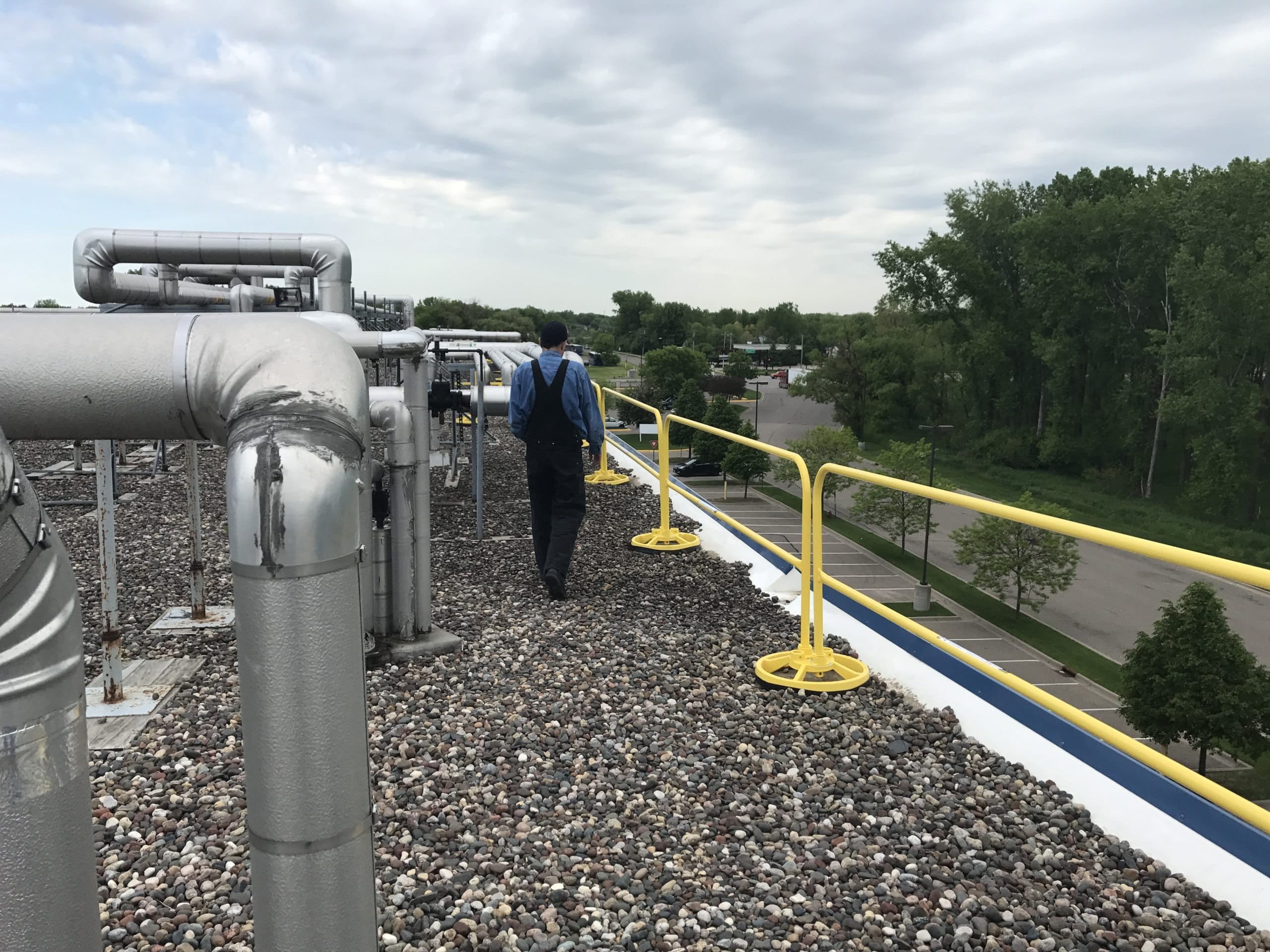
When you think of fall protection, you probably think of a guard rail or harness system being used during the construction of a new structure. And you’d be almost right. New construction is an obvious place where fall protection is needed, but that doesn’t mean that existing buildings don’t have risks where fall protection can be an advantage – and an OSHA requirement. Let’s go through the different and overlapping fall protection systems for construction.
Similarities
Where there’s a leading edge, there’s a risk. Any time your workers are in an environment where a fall could happen, it’s always a good idea to have fall protection equipment and strategies in place. Plus, it’s almost always an OSHA requirement.
Use the Same (or Similar) Fall Protection Solutions
Many types of fall protection equipment can be useful on an existing structure or on a new construction site. For example, a non-penetrating ladder guard is a flexible option during new construction and is just as useful for an existing structure where simple installation is needed.
Use a Combination of Passive & Active Fall Protection
Another best practice for fall protection in all types of work environments is to use a combination of active and passive fall protection systems. Active personal fall protection gear like personal fall arrest systems are just as useful for existing building maintenance as they are for new construction. And so are passive fall protection systems, like hatch guardrails, ladder guardrails, or guardrails for loading docks.
Use High-Quality Products
Finally, both types of work environments require equipment that is durable and reliable. You’ll want to look for materials like steel that can handle the load requirements outlined by OSHA. That’s why EDGE Fall Protection proudly provides fall protection systems and products that are made of durable, high-quality materials right here in the USA.
Differences
OSHA maintains different types of standards for construction and non-construction. Some parts may look similar, but don’t be fooled - they’re not interchangeable! That’s why it’s important to know which regulations apply to your specific work environment.
Construction Tends to be More Complex
One of the biggest differences is that there are typically more safety concerns with a construction environment than an existing building. And if you think about it, a construction site actively changes throughout the construction process, so it makes sense that there would be more complex types of safety needs.
Construction Sites Demand More Flexibility From Their Fall Protection Systems
For construction sites, fall protection systems that are non-penetrating and customizable to the area, like the **EDGE**360 Mobile Safety Rail, are the best choice. This is because of their ability to be moved and shifted throughout the construction process with no damage to the structure, and then removed entirely when they are no longer needed.
Existing Buildings Need More Permanent Products, and Regular Upgrades
It’s no surprise then that, in comparison, an existing structure may need more permanent solutions, like floor or wall-mounted guardrails. Existing buildings also have a unique advantage in that they may need to upgrade fall protection systems over time. Ask yourself: how safe are your workers and maintenance teams in your building? From access ladders to skylight covers and everything in between, it’s important to inspect your building’s current fall protection systems regularly and make upgrades or replacements to reduce the risk of fall injuries.
The Bottom Line
No matter your needs, there’s an OSHA-compliant fall protection solution that will do the trick. Whether you’re planning for your next big project, or it’s time to think about maintenance, EDGE Fall Protection can connect you with the products you’ll need. Give us a call and we’ll help you find the solution that works best for you.