 Now Serving Canada
Frequently Cited OSHA Violations
By Michael McCarty, President / Founder
June 26, 2018
2 min read
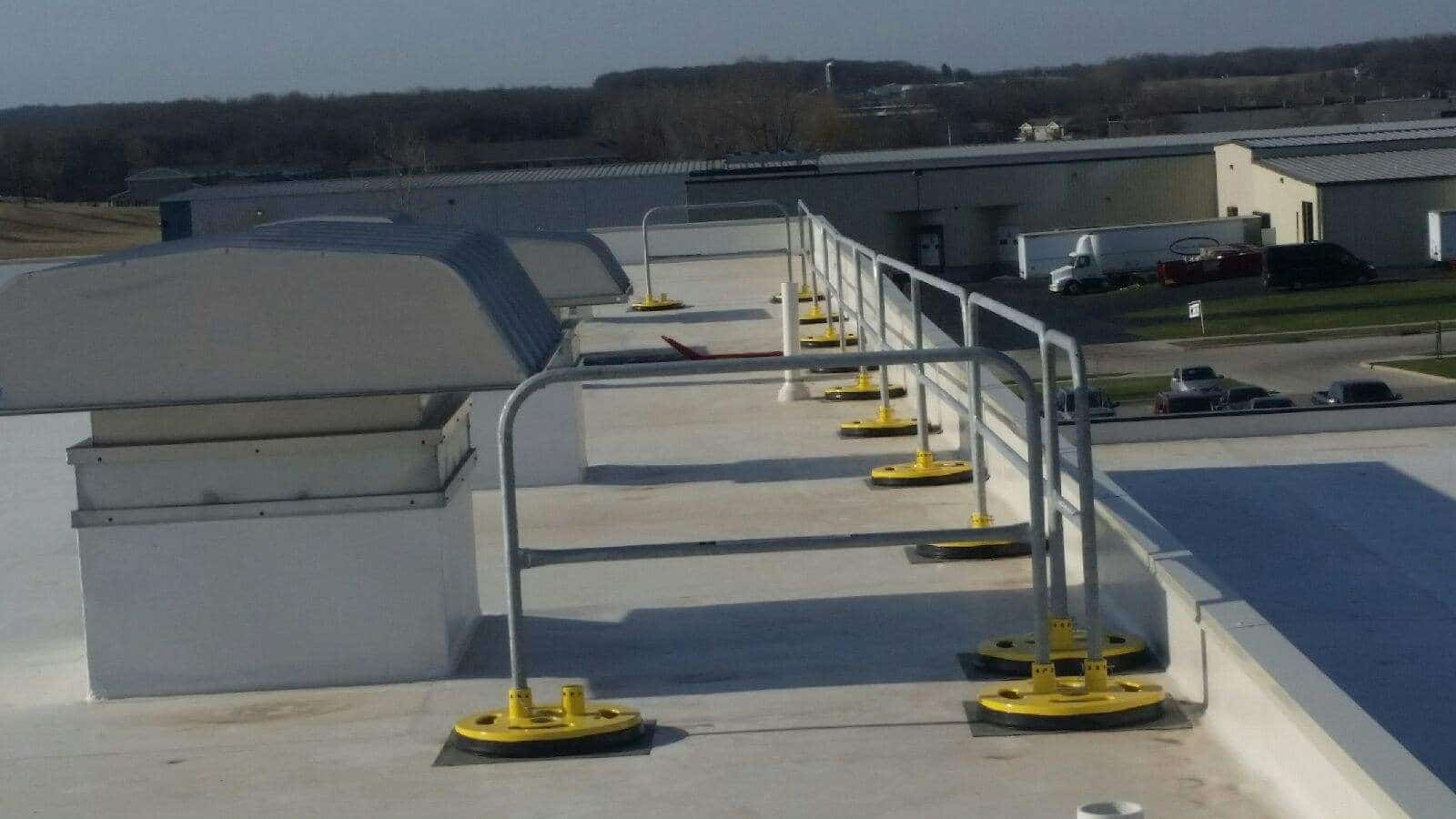
Highest Quantity of Citations
OSHA’s most cited violations lie within Fall Protection, namely “Duty to have Fall Protection.” The regulations and standards can seem complicated with a lot of subparts and unfamiliar jargon. We are here to clear out the gunk and tell it to you straight. Protect the health and safety of your workers, but also your vulnerability for citations! Here’s what you need to know in a nutshell about the most common OSHA violations:
- Protect from Sides and Edges:
- Use guardrail systems, safety net systems, or personal fall arrest systems if working 6 feet or more above a lower level. This applies to vertical or horizontal surfaces!
- Ensure surfaces are strong and have enough structural integrity.
- Protect from leading edges! Employees walking/working 6 feet and above, but not engaged in leading edge work, still require fall protection.
- Holes:
- Any employee working need to be protected from holes (including skylights) by covers or guardrail systems around the holes.
- All holes need to be covered to avoid tripping or to avoid objects falling through them.
- Ramps, Runways and Other Walkways:
- Guardrail systems are necessary here to protect from falling 6 feet.
- Excavations:
- Implement guardrail, fences or barricades. Oftentimes there is plant growth or other visual barriers. Think of a variety of excavations here: well, pit, shaft, etc.
- Dangerous Equipment:
- Use fall protection from employees falling into dangerous equipment below.
- Steep Roof and Low-Slope Roofs:
- Both types of roofs with unprotected sides require fall protection. A combination of options could suffice here, like a warning line system in tandem with a guardrail system.
- Falling Objects:
- Wearing hard hats is a no-brainer, but employers must also erect toeboards, screens or guardrail systems to prevent objects falling from higher levels. In some instances, canopy structures or barricades are acceptable as well.
Are you concerned you’re overlooking a potential area for hazards and citations? Give us a call and we are happy to consult your work-space free-of-charge.
www.EDGEfallprotection.com sales@edgefallprotection.com 844-314-1374