 Now Serving Canada
OSHA Heat Safety Strategies: Heat Illness Prevention for Outdoor Workers
It shouldn’t surprise you that extreme heat events are becoming more frequent and severe. These heat conditions pose significant risks for workers, especially those who work outdoors or in non-climate-controlled indoor settings.
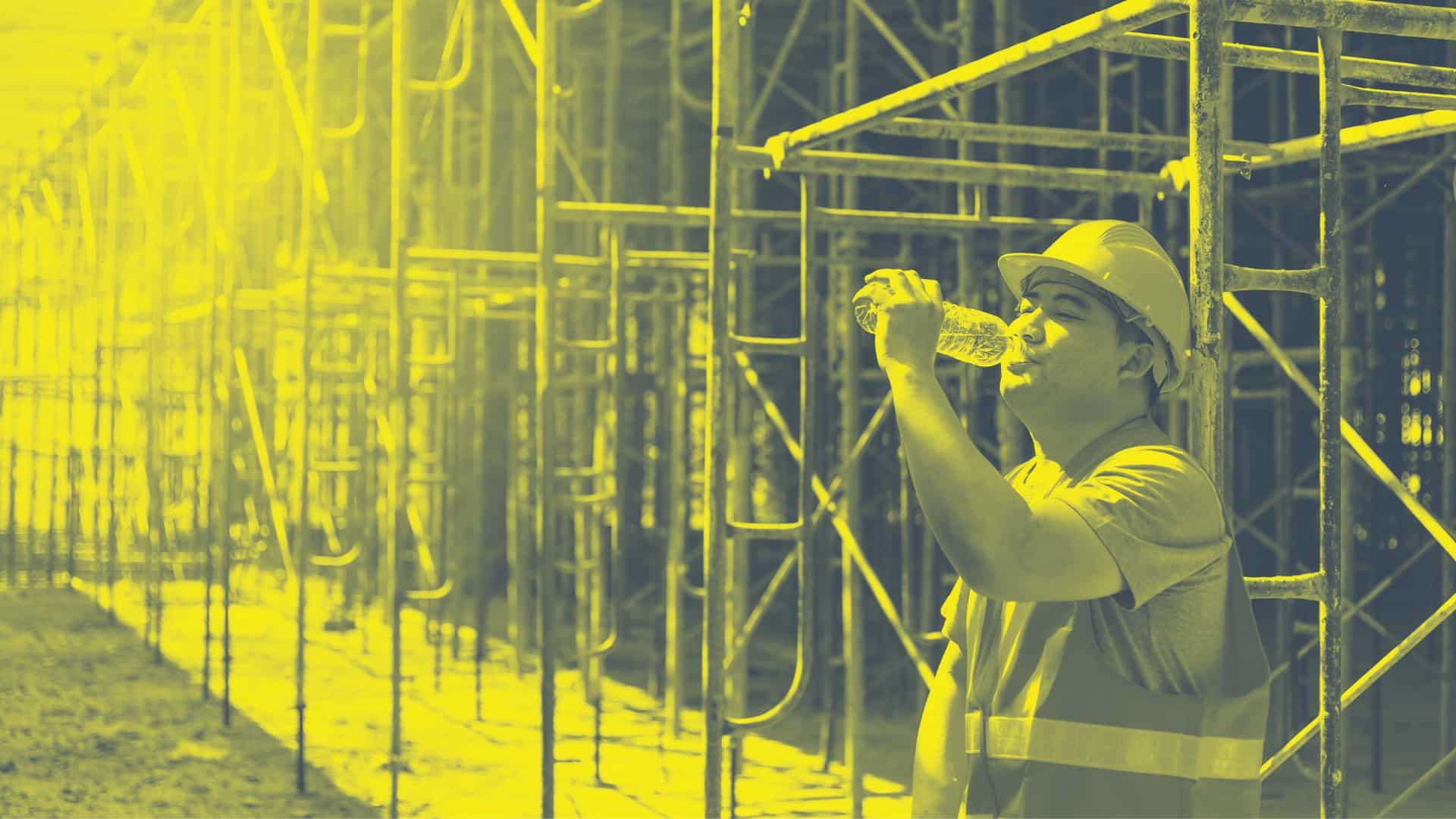
Employers must understand their responsibility to manage OSHA heat safety regulations, which aim to mitigate heat stress and support heat illness prevention. This includes implementing a comprehensive plan to address heat hazards and ensure workplace heat safety in compliance with OSHA heat standards.
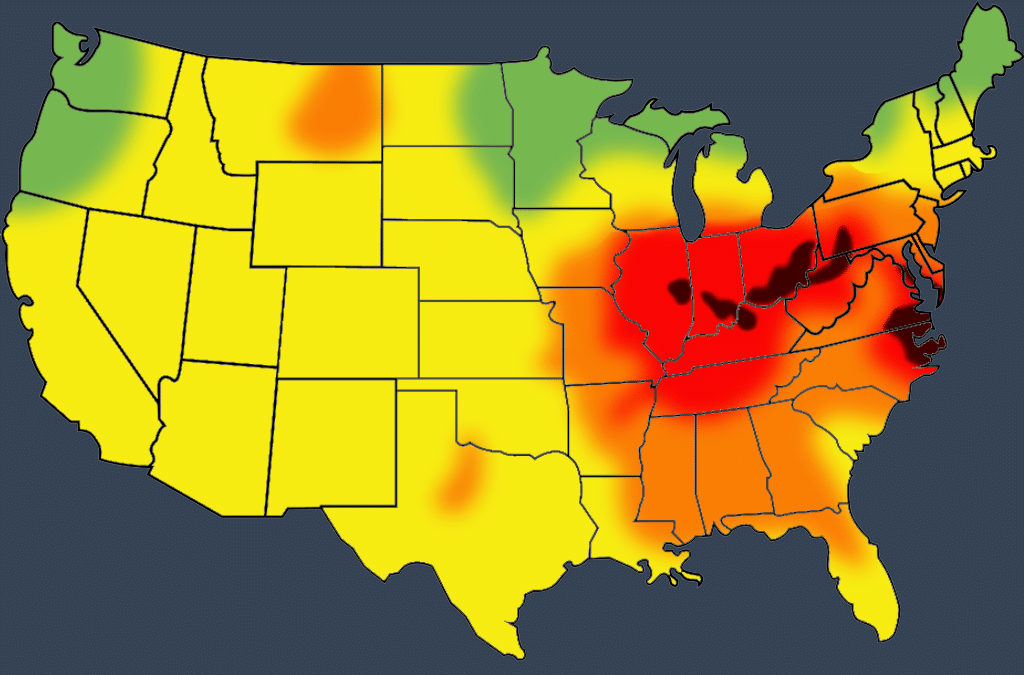
Heatwave, June 2025
Understanding the Heat Risk for Workers
What Is Extreme Heat, and Why Does It Matter?
Extreme heat refers to temperatures that are significantly higher than average for a particular region and time of year. Unexpected temperatures can catch you off guard; while you might be ready to face the heat in July, a June heatwave could lead to employee illnesses, including heat exhaustion and heat stroke, which can be fatal if not promptly addressed. According to the Bureau of Labor Statistics, from 2011 to 2022, 479 U.S. workers died from exposure to environmental heat, averaging 40 fatalities per year (OSHA).
Workers in construction, agriculture, manufacturing, and other labor-intensive industries are especially vulnerable. Those performing tasks on rooftops are at even greater risk due to increased sun exposure, limited access to shade, and reflective surfaces that can intensify heat. Factors like high humidity, direct sun exposure, heavy physical labor, and inadequate hydration increase the risk. This makes rooftop worker safety during summer heat a big concern.
Rooftop work and solar installations require extra vigilance during extreme heat. Reflective surfaces can intensify radiant heat, and access to shade or hydration may be limited. For a closer look at the unique hazards involved in rooftop solar installations, see our blog on Rooftop Solar Panel Fall Hazards.
OSHA Heat Illness Prevention & Heat Stress Preparedness
Steps Employers Can Take Before Extreme Heat Events
Employers are responsible for providing workplaces free from recognized hazards, including extreme heat stress and heat illness (OSHA Employer Responsibilities). Take key preventive measures including:
- Develop a Heat Illness Prevention Plan: This plan should outline procedures for temperature adjustment, hydration, rest breaks, and emergency response. Having a plan is a cornerstone of heat illness prevention and jobsite heat protection.\
- Train Workers and Supervisors: Educate all employees on recognizing heat illness symptoms at work and the importance of preventive measures.\
- Implement Acclimatization Protocols: Gradually increase workloads for new or returning workers to build heat tolerance. OSHA recommends the “Rule of 20 percent,” where new workers should only work 20% of a normal workload on the first day, increasing by no more than 20% each subsequent day until they’re on a regular schedule.\
- Provide Adequate Hydration and Rest: Offer easy access to drinkable water and shaded or air-conditioned rest areas.\
- Monitor Weather Conditions: Use tools like the OSHA-NIOSH Heat Safety Tool App to stay informed about heat index levels and adjust work schedules accordingly.
Need a flexible and effective way to prepare your team? Consider using microlearning for safety training modules for quick, targeted training ahead of extreme heat events. They can help reinforce safety procedures in a digestible format, especially when time is limited. Learn more in our blog on Microlearning for Safety Training.
Symptoms of Heat Illness
Early identification of heat-related illnesses can prevent serious consequences. Heat sickness exists on a spectrum, with symptoms ranging from mild discomfort to life-threatening emergencies. Train all workers and supervisors to recognize the following signs:
Early Symptoms (Heat Stress and Heat Exhaustion):
- Heavy sweating
- Weakness or fatigue
- Dizziness or lightheadedness
- Headache
- Nausea or vomiting
- Muscle cramps
- Pale or clammy skin
- Fast, weak pulse
These heat stress symptoms signal the body is struggling to cool itself. If not addressed, heat exhaustion can escalate to heat stroke—a medical emergency.
Severe Heat Illness Symptoms (Heat Stroke):
- Confusion, disorientation, or slurred speech
- Hot, dry skin or profuse sweating
- Rapid, strong pulse
- High body temperature (above 103°F)
- Loss of consciousness or seizures
If heat stroke is suspected, call 911 immediately. Move the worker to a cooler place, apply cool compresses or ice packs, and do not leave them unattended.
Heat Illness Prevention Plan: Response and Emergency Actions
What to Do During Extreme Heat Conditions
During periods of extreme heat:
- Enforce Work/Rest Cycles: Implement schedules that allow for frequent breaks in cool environments. This is a core heat safety tip for outdoor workers.\
- Monitor Workers for Signs of Heat Illness: Watch for signs of heat exhaustion on the job like dizziness, nausea, excessive sweating, or confusion.\
- Respond Promptly to Emergencies: If a worker shows signs of heat-related illness, move them to a cooler area, provide hydration, and seek medical attention immediately.\
- Adjust Work Schedules: Whenever possible, schedule heavy labor during cooler parts of the day to promote heat safety.
Post Heat Event Safety and Recovery
After the Heatwave – Getting Back to Work Safely
Once extreme heat conditions subside:
- Conduct Post-Event Evaluations: Review the effectiveness of your heat illness prevention plan and make necessary adjustments.\
- Inspect Equipment and Facilities: Ensure that cooling systems and other equipment are functioning properly.\
- Debrief with Employees: Gather feedback from workers on heat mitigation measures and any incidents that occurred.\
- Update Training and Protocols: Incorporate lessons learned into future training sessions and emergency response plans.\
Extreme heat poses a serious threat to worker health and safety. By implementing comprehensive heat illness prevention strategies, you can protect your workers from extreme heat, maintain compliance with OSHA guidelines for heat exposure, and keep your employees safe during heatwaves. Proactive measures, continuous training, and prompt response to heat stress at work are essential components of a safe and productive workplace.
EDGE Fall Protection specializes in engineering safety systems that work in all conditions—from blazing summer rooftops to cold, icy structures. Our team understands how regional climates and jobsite conditions impact risk, and we’re here to help you tailor your safety solutions accordingly. Whether it’s guardrail systems, rooftop anchors, or custom-engineered platforms, we provide dependable protection for every season.
Connect with an EDGE sales rep to learn how our products and expertise can help you build a safer, more resilient work environment.