 Now Serving Canada
Horizontal Lifeline System
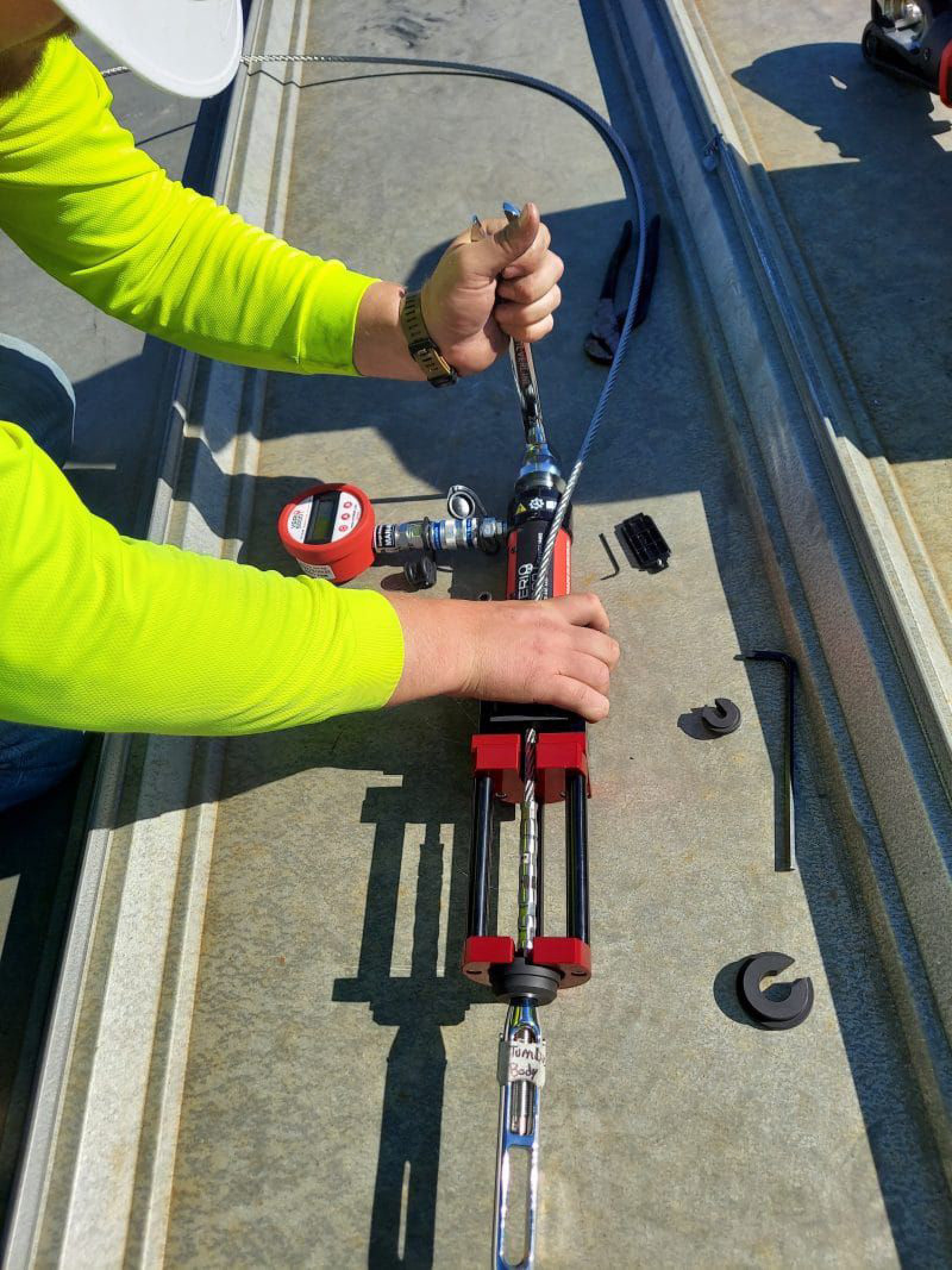
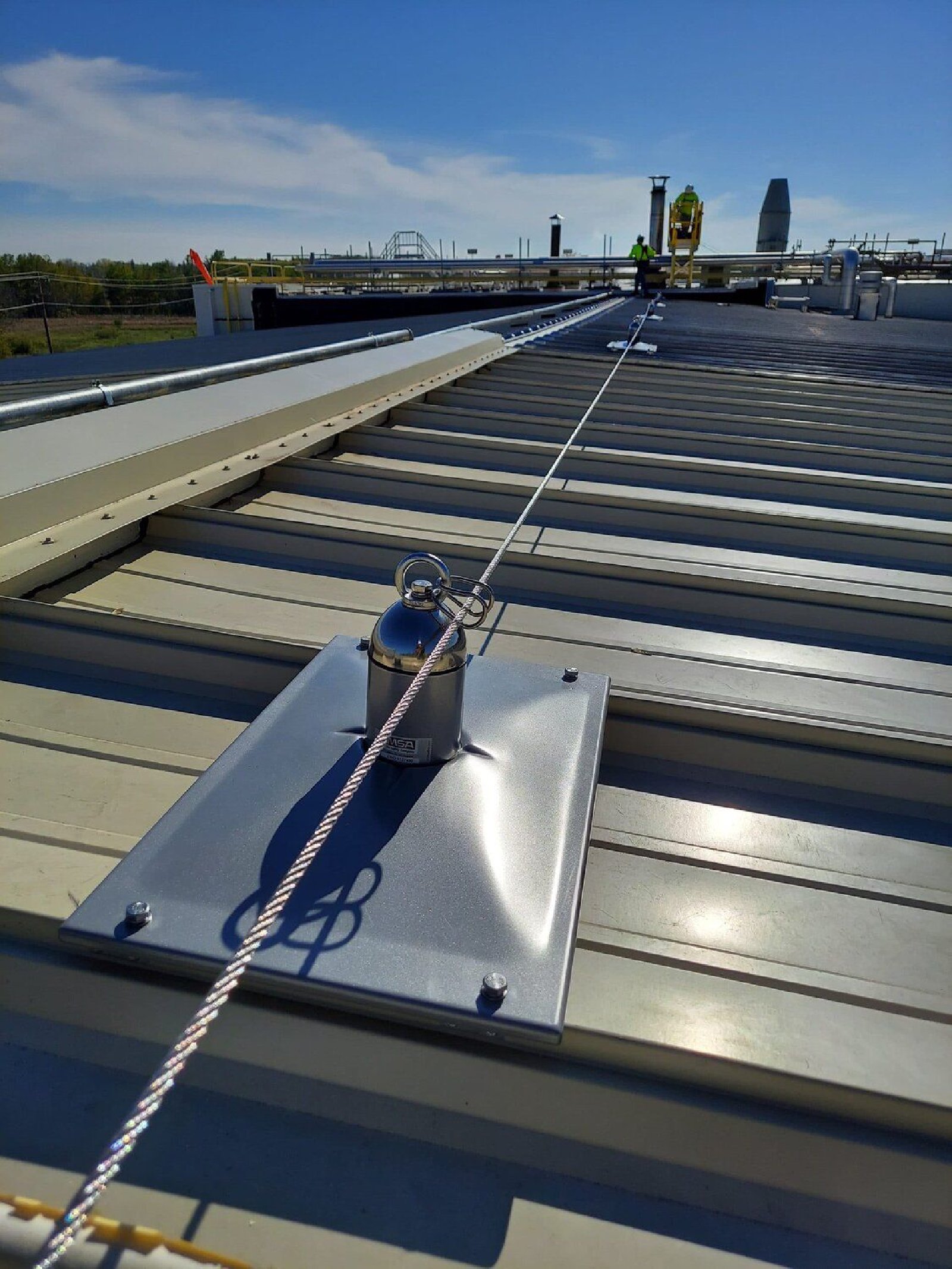
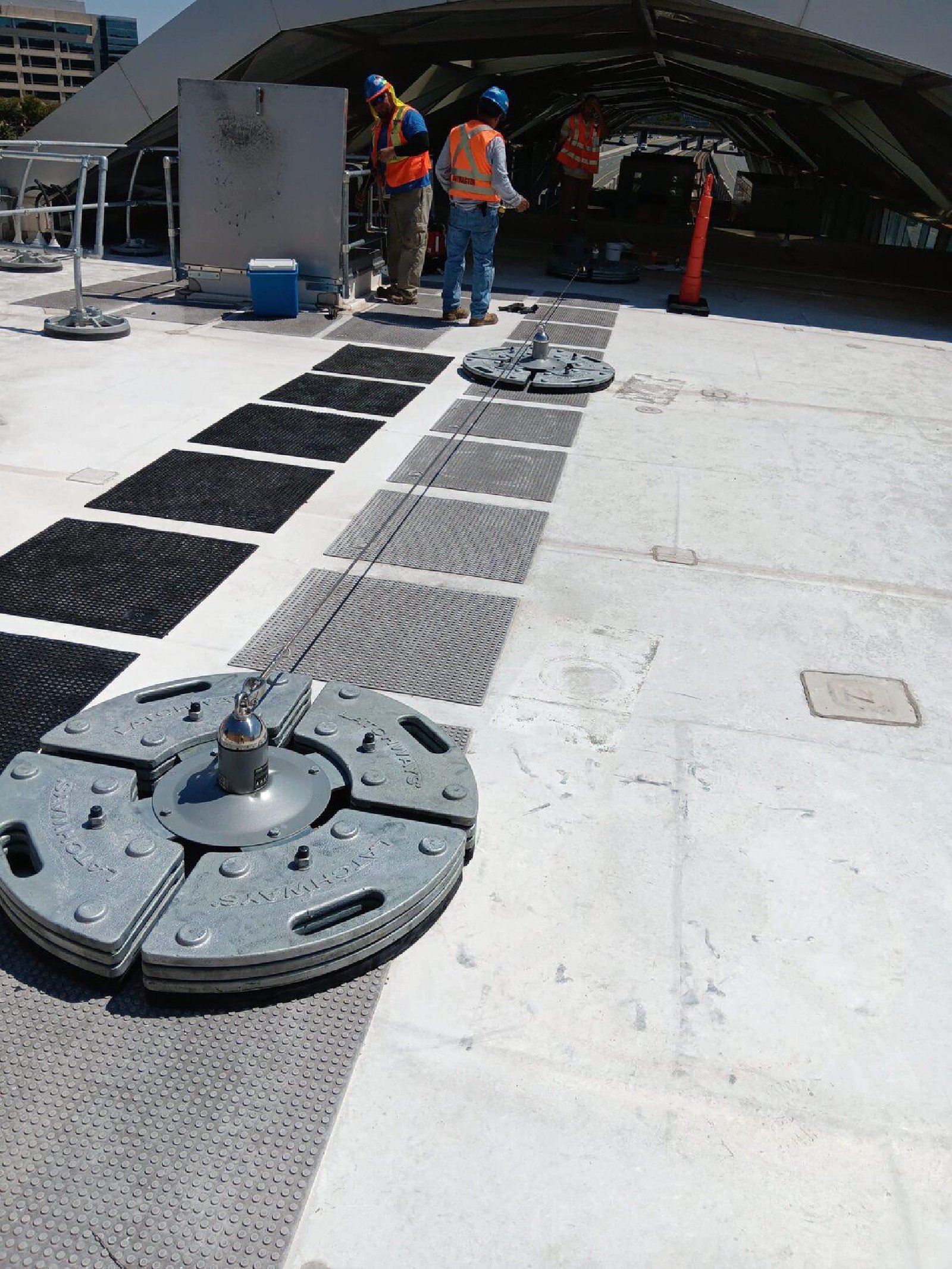
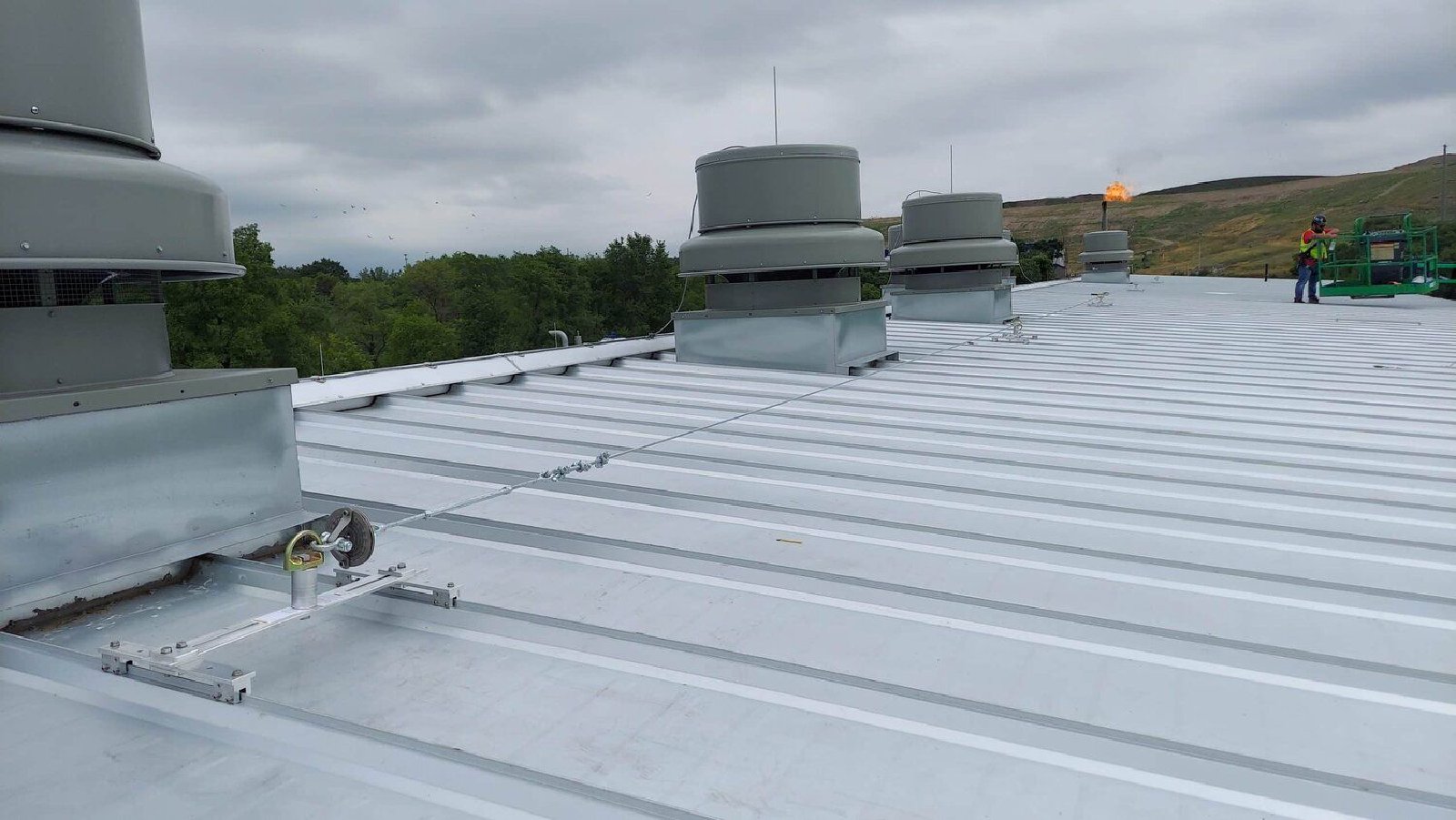

Horizontal Lifeline System
Continuous tie-off across long spans, engineered to your structure, span, and simultaneous user count.
Product Features
- Offer continuous protection for those working near a fall hazard
- Available for floor-level, wall-mount, and overhead mount options
- Accommodate corners and various application shapes
- Provide turnkey solutions including assessment, engineering, and installation
- Feature durable, weather-resistant stainless steel components
- Designed to meet OSHA horizontal lifeline requirements
- Are Made in the USA
Nationwide OSHA Compliant Fall Protection
Horizontal Lifeline System – Key System Overview
EDGE Fall Protection’s horizontal lifeline system is a horizontal fall protection system designed to provide continuous protection for workers exposed to fall hazards at elevated surfaces. Horizontal lifelines allow users to move laterally while remaining connected, making them effective in situations where fixed anchor points are limited.
The system consists of engineered anchor points and a cable lifeline designed to function as part of a fall restraint or fall arrest system, depending on application and configuration.
- System Type – Horizontal lifeline system
- Primary Function – Continuous tie-off for workers exposed to fall hazards
- Typical Applications – Rooftops, elevated work areas, platforms, overhead work zones, industrial facilities
- Movement Supported – Lateral movement along a defined work area
- Protection Scope – Supports continuous protection while traversing fall hazard areas
- System Components – Engineered anchor points and tensioned cable lifeline
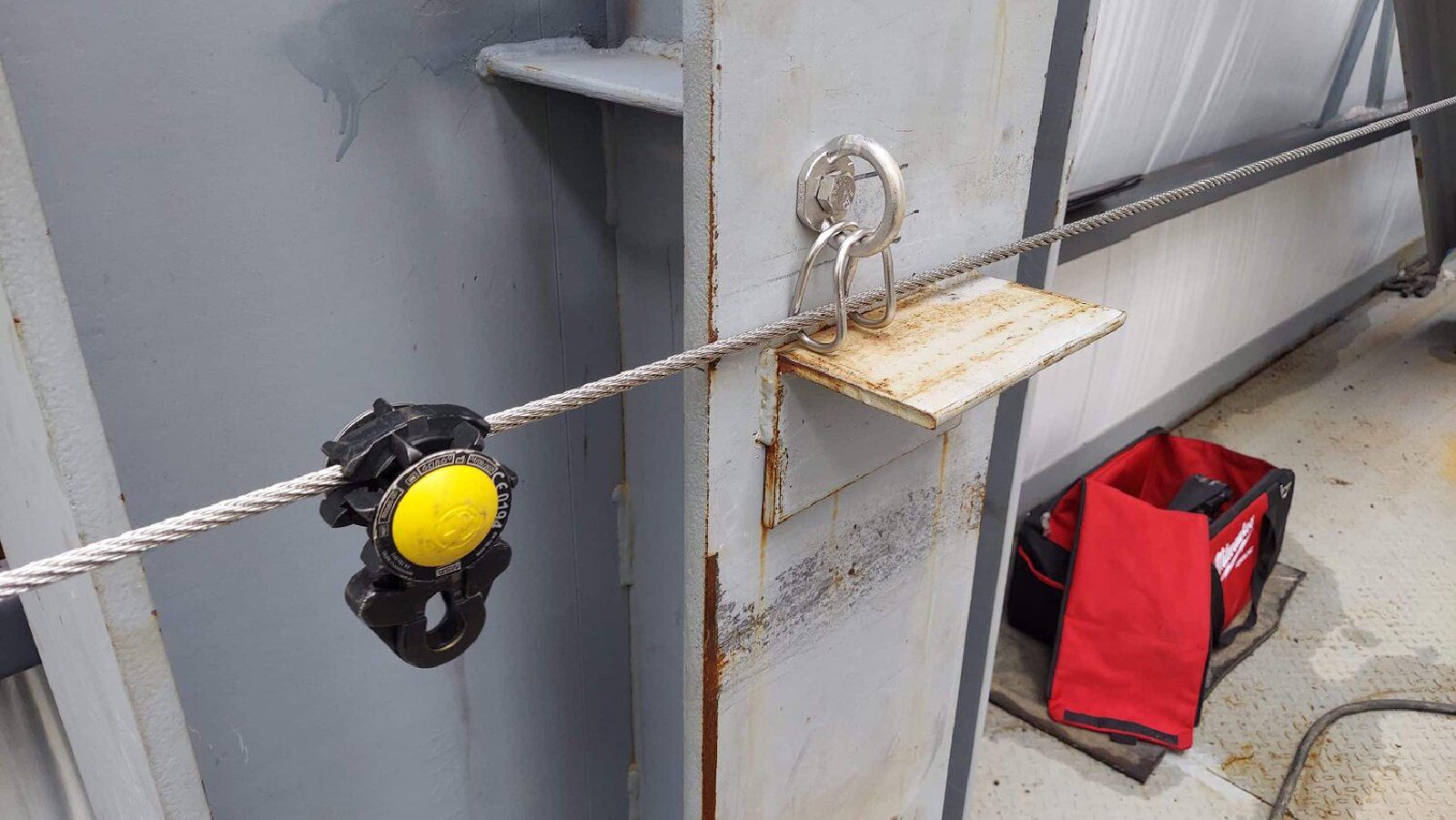
- Configuration Options – Base-mounted, side-mounted, or overhead configurations
- Installation Method – Installed as part of a site-specific fall protection solution
- Engineering Requirement – System must be evaluated and designed by a qualified person
- Inspection Requirement – Inspection prior to use and periodic inspection by a qualified person
- Compliance Context – Designed to support OSHA fall protection requirements when properly specified and installed
- Typical Users – Industrial workers, maintenance teams, facility personnel, contractors
- Integration – Part of a complete fall protection system
Horizontal Lifeline Flexible Applications
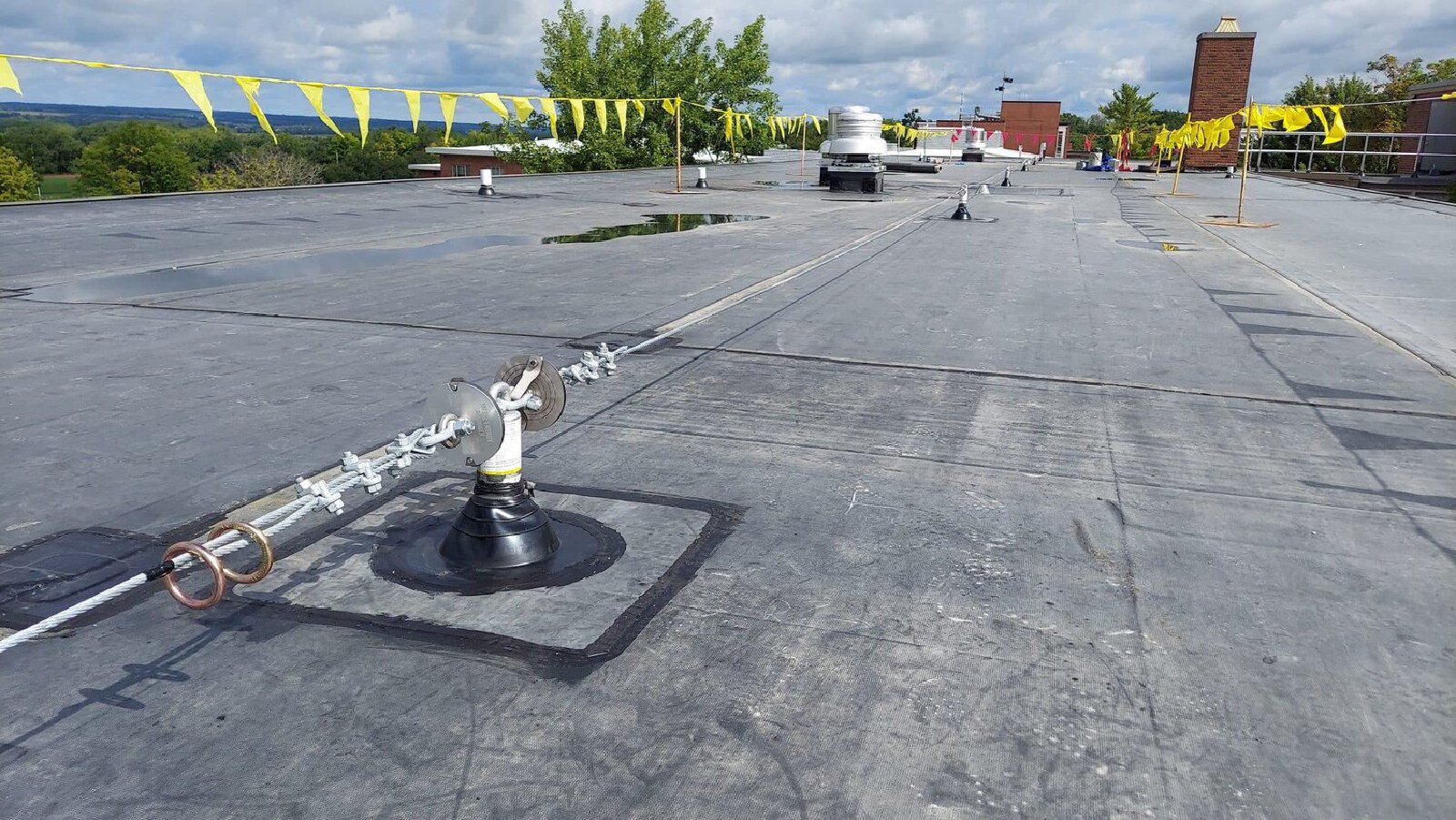
Horizontal lifelines are commonly used in fall protection systems where workers need continuous tie-off while moving along a fall hazard. A lifeline cable is usually attached to two or more anchor points on a rooftop, runway, bridge, outdoor construction site, or any elevated work area which poses a potential fall risk. EDGE Fall Protection provides horizontal lifeline applications for rooftop, elevated platforms, safe access, industrial, and other working at height applications.
Further, horizontal lifelines provide fall protection coverage across a wide distance by attaching a series of anchor points to the surrounding structure.
Lifeline Fall Protection Mounting Options
Horizontal lifelines must be attached to two or more anchor points. Positioning of a horizontal lifeline can be overhead for factory workers or at the base of a structure such as a roof, or somewhere between overhead and base applications, such as a crane or rigid rail application. Mounting options can accommodate corners and different building shapes. Consequently, horizontal lifelines can be attached at various levels with floor level, wall mount, or overhead mounting options.
Safety Lifeline Systems Continuous Protection
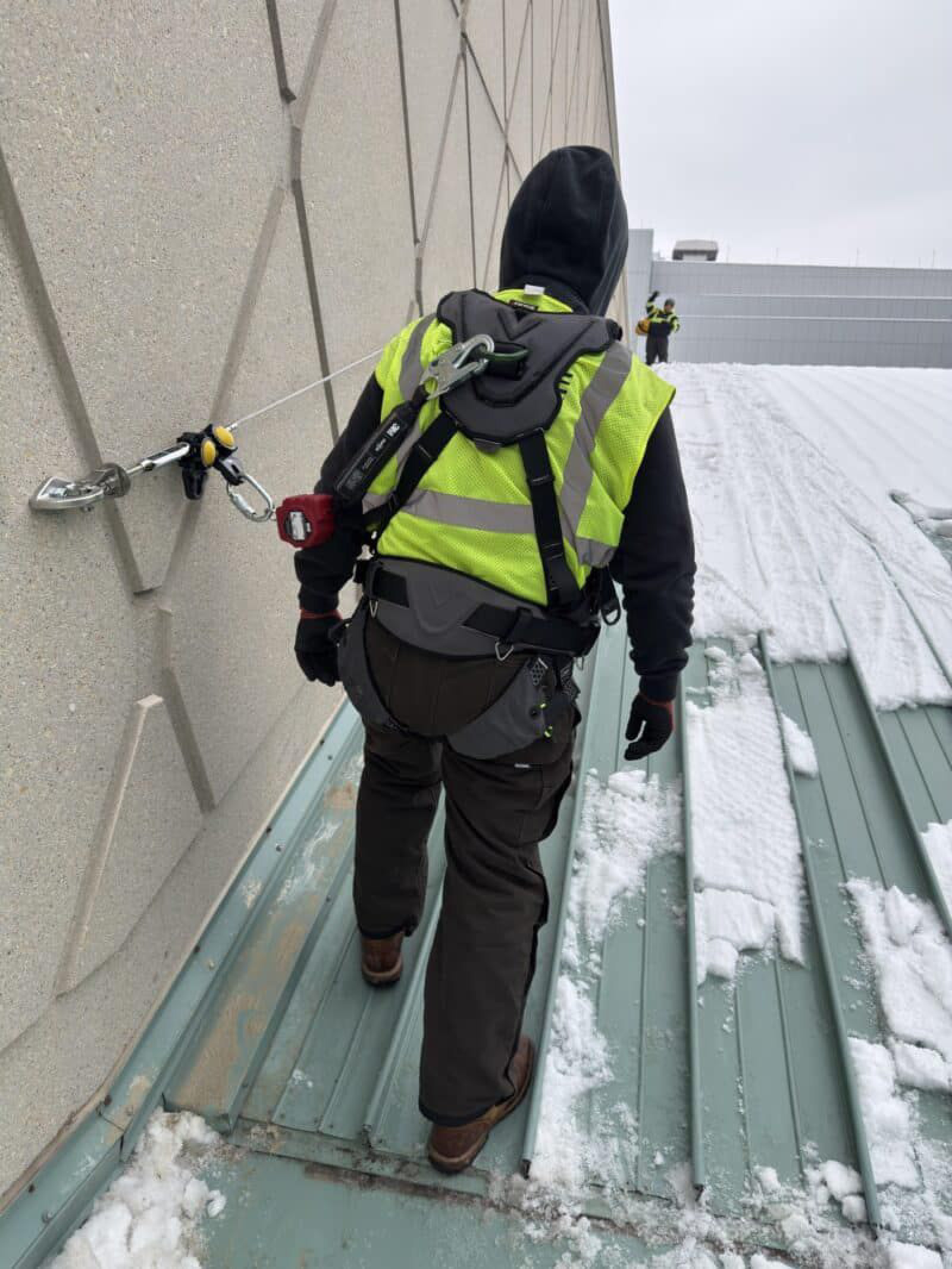
Properly connecting to a horizontal safety lifeline system by utilizing a lanyard and harness allows the user to travel safely parallel to the fall hazard. This combination of personal protection equipment and horizontal lifeline can arrest a fall while limiting the force transferred to the worker and the fall arrest system. In addition, the combination of horizontal lifeline, body harness, and lanyard also serves as a fall restraint or fall arrest system, which limits the worker from getting close enough to fall over an unprotected leading edge. Horizontal lifeline systems allow workers flexibility to traverse along the length of a cable span and minimizes the need for the worker to detach and reattach to anchor points.
System Engineering for a Complete Overhead Fall Protection System
We understand that every situation is different, which is why we provide engineering services to ensure that people are safe, but also that your building can withstand the loads that may be applied in the event of a fall. If additional reinforcement of the building structure is needed, our project managers and engineers will get creative with problem solving to come up with a solution that is functional and cost effective. This level of engineering is especially important for overhead horizontal lifeline systems where structural loading, deflection, and end-anchor forces must be carefully evaluated.
Horizontal Lifeline System – Design and Engineering Considerations
- Anchorage – Requires two or more structural anchor points
- Structural Evaluation – Anchor points must be capable of supporting applied loads
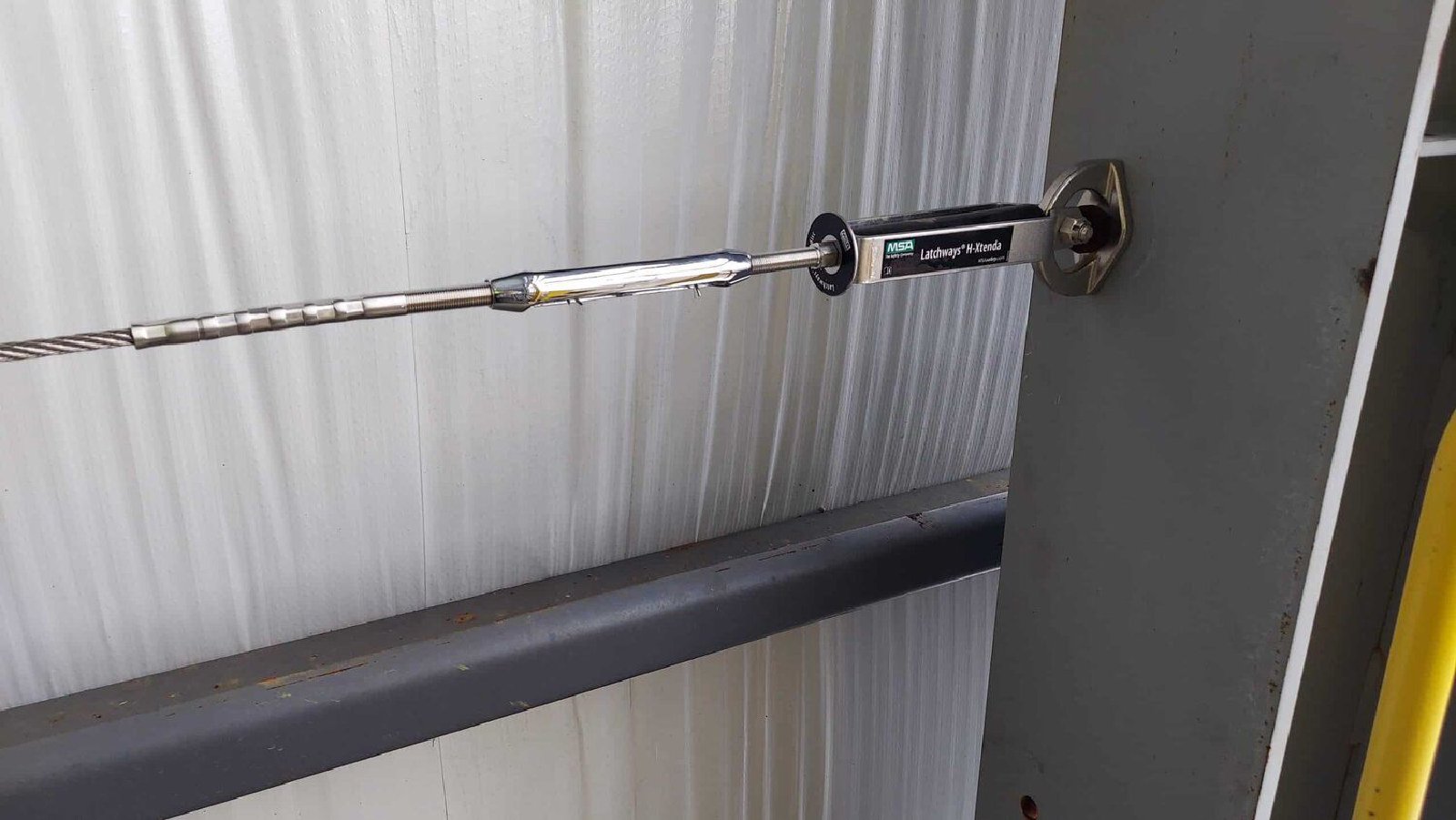
- Cable Tension – Tension is engineered based on span length and application
- Deflection – System deflection must be accounted for during design
- End-Anchor Forces – Forces at termination points are evaluated during engineering
- Overhead Use – Overhead horizontal lifeline systems require additional engineering review
- System Layout – Can accommodate straight runs, corners, and complex building geometry
Durability and Long-Term Performance
Horizontal lifelines are constructed from stainless steel components and offer corrosion resistance.
OSHA Compliant
EDGE’s horizontal lifeline system is designed to support OSHA horizontal lifeline requirements when specified, installed, and used under the supervision of a qualified person. Please note that according to OSHA’s Subpart D – Walking-Working Surfaces, “OSHA requires that horizontal lifelines are designed, installed, and used under the supervision of a qualified person.” (source)
Turnkey Installation of Horizontal Lifelines by EDGE
While we are always happy to provide detailed installation instructions so you can get the job done in-house, EDGE Fall Protection also offers turnkey installations on all of our systems. If you want to leave the details and concerns of proper setup, we’d be happy to send our team of professional installers directly to your job site or facility. We are ready to work anywhere in the USA!
Horizontal Lifeline System – Use and Installation
- Installation Approach – Turnkey installation available through EDGE Fall Protection
- Mounting Surfaces – Structural steel, concrete, roof structures, overhead support members
- Work Area Coverage – Designed to provide protection across defined work zones
- Site Conditions – System design varies based on facility layout and environment
- Maintenance – Ongoing inspection and maintenance required for long-term performance
Horizontal Fall Protection System and Anchor Point Inspection
If you choose to have our team perform the installation of our System, they will ensure that all anchor attachments, swaging, tensioning, and materials are set up correctly. Additionally, it is wise to have your equipment inspected annually by a competent and qualified person. The EDGE fall protection team can arrange an annual inspection of your equipment to ensure all components of the system are functioning in the intended manner and are safe for usage. We can also perform load or pull tests on equipment and anchors to recertify their capacity.
Horizontal Lifeline System Features
The following features summarize the core capabilities of EDGE’s horizontal lifeline system.
- Mount options include floor-level, side (or wall) mount, and overhead
- Flexible to accommodate various applications, corners, and building shapes
- Durable weather-resistant components
- Meets OSHA horizontal lifeline walking-working surfaces requirements
- Made in the USA
Horizontal Lifeline System FAQs
Can a horizontal lifeline system be used for fall arrest?
Yes. A horizontal lifeline system can be designed for fall restraint or fall arrest, depending on system configuration, anchorage, and engineering. Fall arrest applications require careful evaluation of loads, deflection, and end-anchor forces and must be designed by a qualified person.
Do horizontal lifeline systems require engineering?
Yes. Horizontal lifeline systems require engineering to account for factors such as span length, anchorage strength, cable tension, deflection, and potential fall forces. Proper engineering is especially important for overhead horizontal lifeline systems and fall arrest applications.
How often should a horizontal lifeline system be inspected?
Horizontal lifeline systems should be inspected prior to use and at intervals defined by the manufacturer and applicable safety standards. Periodic inspections by a qualified person are required to verify anchor integrity, cable condition, and system performance. EDGE offers inspection and testing services, as well as rooftop safety audits.
Reach out today to discuss your horizontal life line fall protection needs. We’d love to speak with you! (844) 314-1374
Horizontal Lifeline System Demonstration
A live demonstration of continuous tie-off along an engineered horizontal lifeline.
Rooftop Horizontal Lifeline Installation
An OSHA-compliant rooftop horizontal lifeline installation from start to finish.
Need a CAD drawing, a Revit family, or a stamped submittal package for this product? Ask us and we will send it over.
More Active Fall Arrest
Other products in this category, or see the full range.

Free Standing Swing Arm
A rotating overhead anchor on a freestanding base — coverage across a work area with no building modification.

Column Fold Away
A column-mounted arm that folds flat against the column when not in use, using zero floor space.

Freestanding Cantilever Rigid Rail
Continuous overhead protection along a full work line, on a counterweighted base with no building attachment.

Ceiling Mounted Rigid Rail
Continuous overhead protection suspended from the building structure, with zero floor footprint.