 Now Serving Canada
Tornado Safety in the Workplace & Construction Sites: High Stakes in High Winds
Tornadoes are among the most sudden and violent storms nature has to offer. Whether you’re managing a jobsite or overseeing business operations, being prepared for tornado threats is essential, especially when your responsibilities involve rooftops or elevated areas.

We’ve organized OSHA’s tornado safety planning procedures and checklists to help you, whether you’re in construction or managing a business, to reduce risk and respond effectively when tornadoes approach your area.
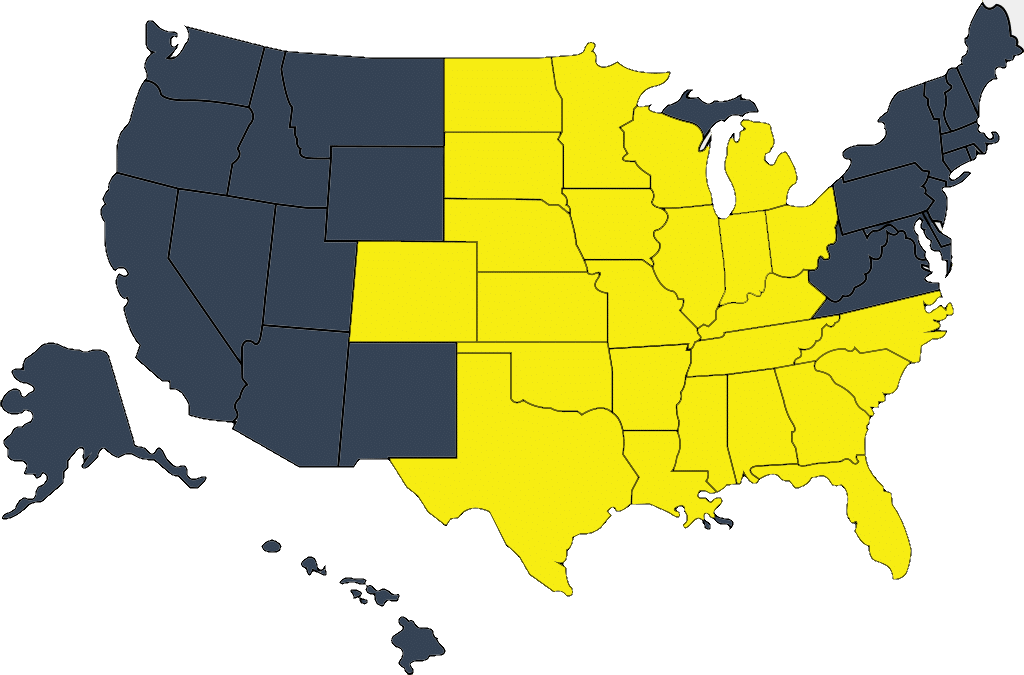
Tornado Business Preparation: Geography Matters
Tornadoes are especially common in the central United States, or “Tornado Alley,” which includes states like Texas, Oklahoma, Kansas, and Nebraska. In 2022 alone, Texas experienced 160 confirmed tornadoes—the most of any state—while Mississippi, with fewer tornadoes, saw the highest property losses at over $125 million (NOAA Storm Events Database).
However, severe tornadoes can also occur in the Southeast and parts of the Midwest, so it’s important to have a tornado emergency plan for business in place regardless of location.
EDGE Fall Protection can provide detailed documentation for wind load calculations, helping determine optimal placement for our freestanding railing systems. Our systems can be engineered to remain secure under tornado-level winds, and where needed, we offer enhanced reinforcements and engineering verifications to ensure both functionality and compliance.
Tornado Construction Safety: Planning from the Ground Up
Tornadoes strike with little warning and can form in a matter of minutes, leaving little time to react if you don’t take the right precautions.
High-speed winds, flying debris, and structural damage can endanger workers who aren’t prepared with clear protocols and designated shelter areas.
OSHA’s Tornado Preparedness urges jobsite supervisors to identify safe shelters and communicate procedures clearly. Having a rapid-response plan in place (like halting rooftop work immediately when warnings are issued) can be the difference between safety and disaster.
Tornado Safety Procedures: OSHA Requirements Summary
OSHA doesn’t mandate or provide tornado shelter requirements, but employers must include tornado scenarios in their Emergency Action Plans (EAPs) under 29 CFR 1910.38. This means identifying safe internal areas (basements, interior hallways, reinforced rooms away from windows), establishing warning systems that comply with 29 CFR 1910.165 (alarms tested annually unless 10 or fewer employees), and ensuring accountability procedures with clear roles and headcounts.
Additionally, employers involved in hazardous substance response must follow HAZWOPER standards (29 CFR 1910.120) during tornado aftermath operations.

Tornado Preparedness Checklist
Planning
- Integrate tornado-specific procedures into your written EAP (if >10 employees) or oral plan.\
- Identify and map safe shelter locations (basements, small interior rooms, reinforced concrete areas)\
- Account for employees, visitors, and contractors (rosters, headcounts, designated alternates).\
- Set up alarm and communication systems (audible signals, texts, radios), ensuring accessibility (disabilities, non-English speakers).\
Equipping
- Maintain emergency kits at shelter sites: first-aid, water, non-perishable food, flashlights, batteries, NOAA weather radios.\
- Provide personal protective gear for cleanup crews—helmets, gloves, boots, eye protection, and PPE if necessary.\
Training & Drills
- Train all personnel on tornado risks, shelter locations, warning signals, accountability roles, and communication procedures.\
- Test alarms annually (or more frequently) and evaluate effectiveness.\
- Conduct shelter-in-place drills at least yearly; revise plans based on feedback.\
Response & Recovery
- After a tornado, monitor for secondary hazards: debris, fallen power lines, structural damage, gas leaks, heat/exhaustion risks.\
- Only trained staff should handle utilities, hazardous spills, or rescue tasks—per HAZWOPER guidelines.\
- Ensure use of PPE when dealing with cleanup, generators, or chainsaws, and monitor for heat stress or dehydration.
Tornado Emergency Plan Summary
Having a storm safety plan and tornado procedures in place for your worksite is crucial (and often legally required), and preparation can begin even before the storm is brewing. Designing for safety means identifying hazards, planning protections, and integrating mitigation measures from the earliest stages of a project.
For a deeper dive into this proactive approach that also relates to OSHA severe weather guidelines, check out our article on Safety Compliance Design Considerations.

Case Study: When the Wind Hit, Our Railing Didn’t Flinch
You don’t forget the sound of 80-mph winds slamming into steel—or the fear when your crew’s still on-site. A fast-moving storm hit hard, and everything we thought we knew about “prepared” got tested. The result? Our freestanding railing held firm. Not an inch of give.
That wasn’t luck. That was design.
Since that day, we’ve stopped treating wind like just another spec to check. It’s a force. One that needs to be factored into every screw, weld, and plan. Because when the sky turns dark, the only thing that matters is what holds.
We’ve seen what happens when it doesn’t. One client came to us after a storm tore a competitor’s rails right off the roof. We worked with engineers to certify a new system, stamped for their region’s wind loads—and rebuilt their trust in the process.
Bottom line: storm safety isn’t a “maybe.” It’s a must. You can’t wait for chaos to test your gear. Design for the worst, from the very start.
Business Preparation: Tornado Procedures in the Workplace
In addition to the specific OSHA tornado plan requirements covered above, there are some general guidelines that every business should understand and implement.
1. Tornado Emergency Planning Isn’t Optional
OSHA’s tornado guidelines aren’t just for large operations. Any business with rooftop HVAC systems, solar panels, or skylights must implement a clear tornado emergency plan for business accountability and employee safety.
2. Upgrade for Wind Resistance
According to FEMA’s resilience fact sheet, adding roof-to-wall connections, impact-resistant windows, and reinforced doors can dramatically reduce structural vulnerability.
3. Prioritize Tornado Business Preparation
OSHA severe weather guidelines include designating shelter areas and accountability procedures. You should assess not just the building itself, but also employee awareness and training on storm response protocols.
Your business needs to meet both federal and local safety regulations, especially when it comes to rooftop work and storm resilience. One way to ensure compliance is by partnering with engineers who can provide Professional Engineer (PE) stamps. These certifications help confirm that your safety systems are designed to meet the highest standards of engineering, customized to the specific demands of your region. Learn more about how PE stamps work and how EDGE collaborates with engineers in all 50 states in PE Stamps and the Importance of Safety Engineering.
Protecting What Matters Most: General Tornado Practices
1. Reinforce Your Roof Before the Wind Picks Up
FEMA’s recommendations for severe wind events, including tornadoes, suggest reinforcing the roof with components like gable end bracing and sealed roof decks to reduce uplift and water infiltration.
These strategies help establish a continuous load path, which is essential for withstanding the strong uplift forces tornadoes can generate. Additionally, sealing the roof deck can minimize water intrusion if roofing materials are compromised.
Conducting regular roof inspections can also help identify vulnerabilities such as loose shingles, roofing materials, deteriorated flashing, or missing fasteners, enabling timely repairs before a tornado hits.
2. Prepare for the Unexpected
The CDC’s tornado preparedness checklist includes securing essential supplies and knowing where to shelter in place (ideally, a basement or interior room without windows). Power outages are common, so charging devices and having a backup generator can offer peace of mind.
3. Secure Outdoor Items and Check Insurance
You may also want to secure items like patio furniture, grills, and potted plants. Loose objects can become dangerous projectiles in high winds. It’s a good time to review your homeowner’s insurance to check your coverage and make adjustments as necessary.
4. Know the Broader Storm Risks
From floods to lightning, FEMA’s summer storm guide offers well-rounded advice. It’s not just about wind; hail, rainwater intrusion, and electrical surges can cause significant property damage.
After the Tornado: Post-Storm Recovery
Tornado recovery operations must be approached with care. OSHA’s tornado response guidelines list a wide array of hazards that can affect anyone involved in post-storm cleanup and damage assessment.
These include hazardous driving conditions due to blocked or slippery roadways, slips and falls on unstable or wet surfaces, and injuries from sharp debris like nails and broken glass. Falling tree limbs or utility poles, downed power lines, and fire hazards from damaged electrical systems are additional risks.
Everyone should follow these general precautions: wear appropriate protective clothing (boots, gloves, helmets, etc), stay alert around power lines, and report structural, electrical, or gas-related hazards to authorities.
Specialized recovery tasks like handling hazardous materials or restoring utilities should only be performed by trained professionals. Whether you’re restoring a jobsite, reopening a facility, or clearing debris from your yard, adhering to safety protocols during tornado recovery will help you protect yourself and others.
Don’t Forget: Local Codes and Certified Designs Matter
One size doesn’t fit all when it comes to rooftop and tornado emergency action plans for your business. Wind loads, building codes, and weather conditions vary widely across the U.S.
At EDGE, we work with certified engineers in every region to make sure your rooftop safety systems meet both OSHA standards and local code requirements. Whether you’re adding anchors, installing guardrails, or reinforcing structural attachments, we tailor every solution to your exact needs. This includes helping your organization establish and comply with OSHA-approved tornado preparedness requirements. This is vital for the safety of people and to limit your liability.
Tornadoes can arrive suddenly and leave costly damage in their wake. But with thoughtful preparation and the right partners, you can protect lives, livelihoods, and long-term investments.
Stay weather-aware. Stay compliant. Stay safe at every elevation. Get in touch today for expert assistance on tornado safety in the workplace.